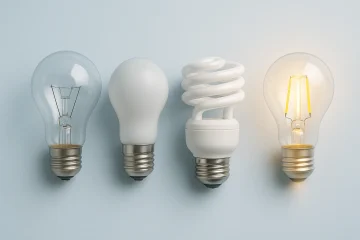
Lighting Up Your Home Sustainably: A Complete Beginner’s Guide
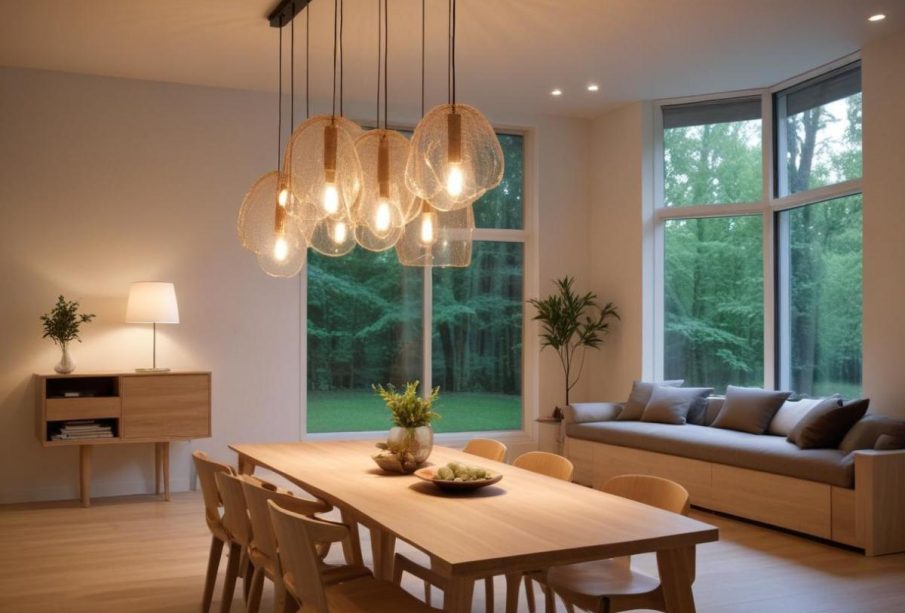
Sustainable lighting is one of the easiest and most effective ways to make a home more energy-efficient without sacrificing comfort or style. By choosing the right lighting technologies and habits, homeowners can reduce electricity consumption, lower utility bills, and support environmental protection at the same time.
This beginner-friendly guide explains how sustainable lighting works and how simple upgrades can transform everyday spaces into smarter, more efficient environments.
What Is Sustainable Lighting?
Sustainable lighting refers to using lighting solutions that consume less energy, last longer, and reduce environmental impact compared to traditional lighting methods.
It involves:
- Energy-efficient bulbs
- Smart lighting controls
- Better daylight usage
- Long-lasting fixtures
- Reduced lighting waste
Together, these improvements help create homes that are both comfortable and environmentally responsible.
Why Sustainable Lighting Matters in Modern Homes ⚡
Lighting accounts for a noticeable share of household electricity usage. Making efficient lighting choices can significantly reduce energy demand over time.
Benefits of sustainable lighting include:
- Lower monthly electricity bills
- Reduced carbon emissions
- Less frequent bulb replacement
- Improved indoor comfort
- Better long-term home efficiency
These advantages make lighting upgrades one of the most practical starting points for sustainable living.
Start by Switching to LED Lighting
LED lighting is the foundation of most sustainable home lighting strategies.
Key advantages include:
- Up to 80–90% less electricity consumption
- Long operational lifespan
- Reduced heat generation
- Consistent brightness performance
- Availability in multiple styles and colors
Replacing frequently used bulbs first delivers immediate savings.
Make the Most of Natural Daylight ☀️
Natural light is the most efficient lighting source available—and it is completely free.
Ways to increase daylight usage:
- Open curtains during daytime hours
- Keep windows clean and unobstructed
- Use mirrors to reflect sunlight indoors
- Choose light-colored wall finishes
Maximizing daylight reduces dependence on artificial lighting significantly.
Use Layered Lighting for Better Efficiency
Layered lighting improves illumination while minimizing unnecessary power usage.
A balanced lighting plan includes:
- Ambient lighting for general brightness
- Task lighting for focused activities
- Accent lighting for decoration
This approach prevents over-lighting large areas unnecessarily.
Install Motion Sensors in Less-Used Spaces
Motion sensor lighting automatically activates when movement is detected and switches off afterward.
Best locations include:
- Hallways
- Bathrooms
- Storage areas
- Staircases
- Parking spaces
This ensures electricity is used only when required.
Choose Smart Lighting Controls for Convenience 📱
Smart lighting systems allow homeowners to manage lighting efficiently through automation.
Popular smart features include:
- App-based lighting control
- Voice-command operation
- Scheduled lighting routines
- Remote access from outside the home
Automation helps reduce wasted electricity without changing daily habits.
Select the Right Brightness Levels for Each Room
Using the correct brightness prevents unnecessary energy usage.
General recommendations:
- Softer lighting for bedrooms
- Moderate lighting for living rooms
- Brighter lighting for kitchens and study areas
- Focused lighting for workspaces
Matching brightness to purpose improves both comfort and efficiency.
Use Solar-Powered Outdoor Lighting 🌞
Outdoor lighting can operate sustainably using solar energy instead of grid electricity.
Solar lighting advantages include:
- Zero electricity cost after installation
- Simple setup
- Automatic night activation
- Minimal maintenance requirements
These lights are ideal for gardens, pathways, and entrances.
Maintain Lighting Fixtures Regularly
Proper maintenance improves lighting efficiency and lifespan.
Simple maintenance steps include:
- Cleaning bulbs and fixtures periodically
- Replacing damaged wiring promptly
- Checking dimmer compatibility with LED bulbs
- Ensuring fixtures remain securely installed
Well-maintained lighting systems perform better over time.
Sustainable Lighting Supports Long-Term Environmental Responsibility
Choosing efficient lighting solutions helps households reduce their environmental footprint while improving everyday comfort. Even small lighting upgrades can create lasting benefits when applied consistently across the home.
Sustainable lighting is not just about technology—it is about making smarter decisions that balance convenience, efficiency, and environmental awareness.
Frequently Asked Questions (FAQs)
1. How many LED bulbs should be replaced first for maximum savings?
Start with bulbs in areas used the most, such as living rooms, kitchens, and entrances, to achieve the fastest energy savings.
2. Can sustainable lighting improve indoor temperature comfort?
Yes. LED bulbs produce less heat than traditional bulbs, which helps maintain cooler indoor environments.
3. Are solar-powered outdoor lights reliable throughout the year?
They work reliably in most seasons but may store slightly less energy during extended cloudy periods.
4. Do sustainable lighting solutions require professional installation?
Many upgrades, such as replacing bulbs or installing smart lighting, can be completed without professional help.
5. Is dimmable lighting necessary for energy-efficient homes?
It is not required, but it improves flexibility and helps reduce electricity consumption further.
6. Can sustainable lighting reduce maintenance efforts at home?
Yes. Longer-lasting bulbs reduce replacement frequency and maintenance needs.
7. Does lighting placement affect sustainability performance?
Yes. Proper fixture placement ensures better light coverage with fewer energy resources.