How Does Roof Installation Improve Your Home’s Protection From Rain and Wind?
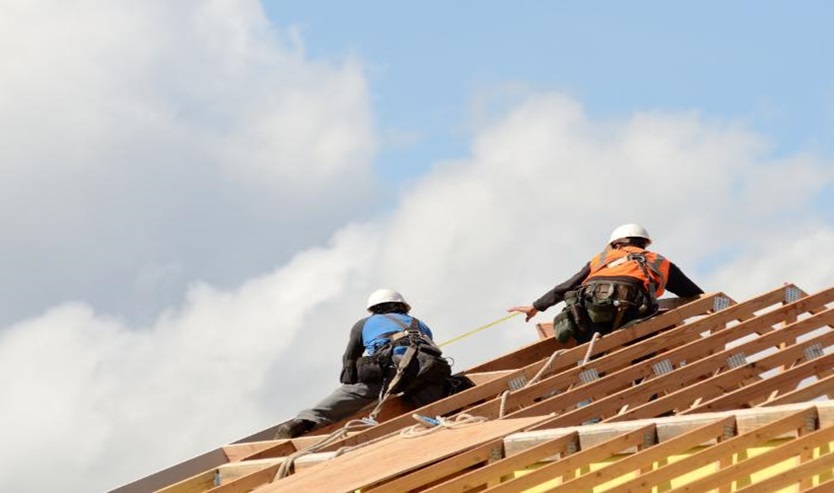
Rain and strong wind can put every part of your roof to the test. During a storm, water moves across shingles, around vents, through valleys, and toward roof edges. At the same time, wind creates pressure that can lift loose materials or push rain into small gaps. Your roof needs several parts working together to keep these weather conditions from reaching the structure below.
Proper roof installation in New Bedford creates layers of protection that help your property withstand changing weather conditions. Shingles are the most visible layer, but the roof deck, underlayment, flashing, fasteners, ventilation, and drainage system also play important roles. Understanding these parts can help you recognize why installation quality matters when planning a roofing project.
A Solid Roof Deck Creates a Strong Starting Point
The roof deck is the surface to which the rest of your roofing materials are attached. If sections of the deck are damaged, soft, or poorly secured, the roofing materials above them may have a weaker foundation.
Before new roofing materials are added, the deck should be checked for visible damage. Problem areas can then be repaired before underlayment and shingles are installed.
A solid deck also helps roofing fasteners hold properly. This becomes especially important during strong winds because the deck helps support materials that are prone to lifting forces.
Underlayment Adds Another Layer Against Rain
Shingles are designed to shed water, but storms can sometimes push rain underneath them. Underlayment provides another protective layer between the exterior roofing materials and the deck.
If a shingle becomes damaged or displaced, underlayment can help limit the amount of water that reaches the wood beneath it. This extra barrier can be valuable during periods of heavy rain combined with strong wind.
The Federal Emergency Management Agency provides building science information about reducing damage from wind and wind-driven rain. FEMA notes that roof coverings, ventilation components, and other parts of a building envelope can be vulnerable during high wind events.
Proper Fastening Helps Materials Stay in Place
Wind does not simply blow across a roof. It can also create upward pressure along roof edges, corners, and other exposed areas. Loose shingles provide openings where wind may begin lifting roofing materials.
During roof installation, fasteners need to be placed according to the roofing material and manufacturer requirements. Shingles that are fastened correctly are more likely to remain secure as wind speeds increase.
Fastener placement matters just as much as the number of fasteners used. Nails placed too high, too low, or outside the intended fastening area can affect how securely a shingle remains attached.
Flashing Protects Vulnerable Roof Openings
Roofs contain several areas where water could enter if materials are not installed correctly. Chimneys, vents, skylights, valleys, and places where the roof meets a wall are common examples.
Flashing is installed around these areas to direct rain back onto the roofing surface. From there, gravity carries water toward the roof edge rather than allowing it to enter the structure.
Wind-driven rain makes flashing even more important. Rain that normally travels downward can be pushed sideways during a storm. Carefully installed flashing helps close off common entry points.
Roof Edges Face Greater Wind Pressure
The edges and corners of a roof often experience strong wind forces. Moving air can catch underneath loose roofing materials and begin lifting them away from the surface.
Roof edges therefore need careful attention during installation. Shingles, drip edges, and related components should be firmly attached so wind has fewer opportunities to get underneath them.
FEMA guidance discusses how roof coverings, overhangs, and vents can become vulnerable to wind pressure and wind-driven rain when damaged or poorly secured.
Taking these areas seriously can make the complete roofing system more resistant to severe weather.
Shingles Direct Rain Toward the Roof Edge
Shingles are arranged in overlapping rows so rain naturally travels down the slope of your roof. When the pattern is installed correctly, each row helps cover the fasteners and seams beneath it.
Proper roof installation keeps these rows aligned and limits gaps where water might enter. Damaged alignment or incorrect spacing can interfere with the normal path water follows.
Roof pitch also plays a role. The slope helps move rainfall toward gutters, while properly installed roofing materials guide water along that path.
This combination prevents water from sitting unnecessarily on vulnerable sections of the roof.
Gutters and Drainage Complete the Water Management System
Once rain reaches the edge of your roof, it still needs somewhere to go. Gutters and downspouts help collect runoff and carry it away from the building.
Clogged gutters can cause water to back up along roof edges. Leaves, sticks, roofing debris, and other materials may restrict drainage during heavy rain.
Keeping gutters clear allows your roof drainage system to work more effectively. Downspouts should also direct water away from the structure rather than release large amounts near it.
Checking these components periodically can help you spot drainage problems before the next major storm arrives.
Ventilation Openings Need Careful Installation
Roof vents allow air to move through the attic space, but each vent also creates an opening in the roof surface. That means installation around vents requires special attention.
Flashing and sealing around these areas help prevent wind-driven rain from entering. Vent components also need to be securely attached so they remain in position during windy conditions.
Good ventilation serves another purpose by helping manage heat and humidity in attic spaces. This supports the condition of the roof deck and other roofing components.
Storm Inspections Can Reveal Developing Problems
Even a well-installed roof can experience damage during severe weather. Falling branches, flying debris, hail, and powerful wind gusts can affect shingles and other components.
After a major storm, look from ground level for obvious warning signs such as missing shingles, loose materials, damaged flashing, or debris on the roof. Avoid climbing onto a wet or damaged roof.
You should also check ceilings and attic areas for stains or signs of water entry. A roofing professional can investigate areas that cannot be safely inspected from the ground.
Addressing storm damage promptly helps prevent an isolated problem from affecting a larger section of the roofing system.
Conclusion
Your roof protects your property through a combination of carefully connected components. Decking provides structural support, underlayment adds water resistance, flashing protects openings, and shingles direct rain toward the drainage system. Secure roof edges and properly attached materials also help the system handle strong wind.
Quality roof installation brings these components together to provide better protection when rain and wind arrive. Learning how your roofing system works can also help you recognize problems sooner and make informed decisions about maintenance or replacement.
If you are planning a roofing project and want professional help protecting your property from harsh weather, New Bedford Roofers can evaluate your roofing needs and help you choose an installation approach suited to your property.