Crawl Space Encapsulation Explained From Moisture Control to Long Term Protection
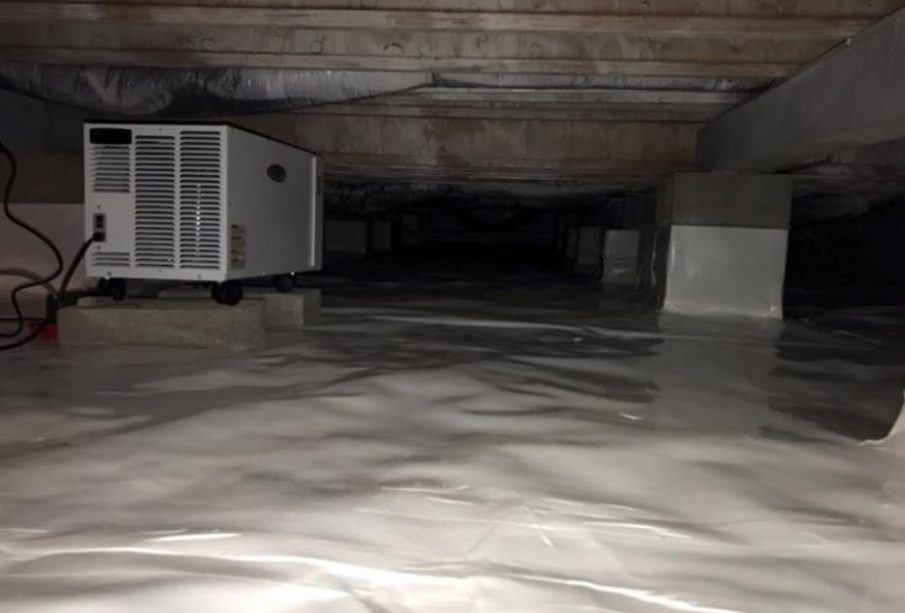
The crawl space beneath a home may be easy to forget, but conditions in this hidden area affect the entire building. Moisture, humid air, exposed soil, and poor drainage may damage wood framing, insulation, flooring, and other materials. Problems beneath the house may also contribute to unpleasant odors and higher humidity inside living areas.
For homeowners researching crawl space encapsulation, understanding the process is an important first step. At basementwaterproofingcanton.com, homeowners can learn more about encapsulation and moisture control while exploring professional services available in the Canton area. Encapsulation creates a controlled area beneath the home by covering exposed surfaces, sealing openings, and managing humidity. It is designed to address moisture at its source rather than covering up the warning signs.
Learning what causes crawl space moisture and how professionals control it gives homeowners a clearer path forward. Early attention may also reduce the risk of extensive damage that becomes more difficult and expensive to repair.
Why Crawl Space Moisture Deserves Attention
Crawl spaces are located close to the ground, where they are regularly exposed to damp soil and changing weather conditions. Rain, groundwater, plumbing leaks, poor yard drainage, and humid outdoor air may all introduce moisture beneath a home.
A bare soil floor is a common source of humidity. Moisture held within the ground gradually evaporates into the crawl space air. When that humid air reaches cooler wood, pipes, or ductwork, condensation may form.
According to the U.S. Environmental Protection Agency, crawl spaces with high relative humidity are common locations for hidden mold growth, particularly when the floor is uncovered soil. The agency also explains that moisture from a crawl space may move into other parts of a building.
Moisture problems do not correct themselves. Without proper evaluation and repairs, damp conditions may continue affecting materials beneath the home.
Common Signs of a Damp Crawl Space
Homeowners do not always need to enter the crawl space to notice that something is wrong. Several warning signs may appear inside the house.
A musty smell is one of the most common clues. The odor may be stronger near floor vents, utility areas, closets, or rooms located directly above the crawl space.
Other signs include:
- Floors that feel soft, uneven, or bouncy
- High humidity inside the home
- Condensation on windows or pipes
- Damp or fallen insulation
- Visible mold growth on floor joists
- Standing water after heavy rain
- Rust on metal supports or equipment
- Increased insect or rodent activity
- Wood that appears stained or decayed
One warning sign does not always confirm a major problem. However, repeated moisture, odors, or visible material damage should lead to a professional inspection.
What Crawl Space Encapsulation Involves
Crawl space encapsulation is the process of separating the area beneath a home from exposed soil, outside humidity, and other moisture sources. A thick vapor barrier is installed across the ground and often extended up the foundation walls.
The barrier is sealed around columns, pipes, supports, and other openings. Foundation vents and air leaks may also be closed to limit humid outdoor air from entering the space.
A complete project may include several steps:
- Inspecting the crawl space and surrounding drainage
- Removing debris and damaged insulation
- Addressing standing water or plumbing leaks
- Repairing damaged wood when needed
- Installing a durable ground and wall liner
- Sealing vents, gaps, and penetrations
- Adding drainage equipment or a sump pump
- Installing a crawl space dehumidifier
Encapsulation materials should be installed carefully. Loose plastic placed across the soil without sealed seams or wall connections offers limited protection and may shift, tear, or collect water.
Moisture Control Comes Before Sealing
Before sealing a crawl space, the source of the water must be identified. Encapsulation should never trap an active leak, standing water, or wet building materials behind a liner.
Exterior drainage is often part of the discussion. Gutters should carry roof runoff away from the foundation, and downspouts should release water at a safe distance. Soil around the house should direct rain away from the structure rather than toward it.
Plumbing lines, air conditioning drains, and ductwork should also be checked. A small leak may release water for weeks before it becomes visible inside the home.
The EPA states that moisture control is the key to limiting indoor mold growth. Its homeowner guidance recommends correcting water problems and drying wet materials promptly.
Once active moisture sources have been addressed, sealing and humidity control provide a stronger foundation for long term performance.
How Encapsulation Protects the Structure
Wood framing performs best in a dry, stable environment. Repeated exposure to moisture may lead to staining, fungal growth, decay, and loss of strength.
Floor joists, beams, sill plates, and subflooring are especially important because they help support the rooms above. Damage to these components may contribute to uneven floors, movement, and expensive structural repairs.
Encapsulation limits ground moisture and humid air from reaching these materials. A dehumidifier may then maintain more stable conditions after the crawl space is sealed.
The system does not reverse existing wood damage. Decayed or weakened materials still require proper repair. However, controlling the moisture source helps protect repaired and undamaged components from continued exposure.
How Encapsulation May Affect Indoor Comfort
Air moves through gaps in floors, utility openings, ductwork, and wall cavities. As a result, conditions beneath the home may affect rooms above it.
A damp crawl space may contribute to musty odors and uncomfortable indoor humidity. Moisture may also reduce the performance of insulation, especially when fiberglass batts become wet or begin falling from the floor joists.
After crawl space encapsulation, homeowners may notice fewer odors and more consistent humidity. Floors may also feel less cold during cooler months when insulation and air sealing are properly addressed.
Energy performance depends on the condition of the entire home. Windows, attic insulation, heating equipment, ductwork, and air leaks all play a role. Encapsulation should be viewed as one part of a broader moisture and building maintenance plan.
Pest Activity and Damp Conditions
Many insects prefer dark, damp environments. Termites, cockroaches, silverfish, and other pests may be drawn to moisture, decaying wood, wet insulation, or standing water.
Rodents may also enter through open vents, damaged access doors, and gaps around pipes. Once inside, they may disturb insulation, damage liners, or leave waste behind.
Sealing openings and reducing humidity makes the crawl space less inviting. Still, encapsulation is not a replacement for pest treatment. Existing infestations should be handled before the space is sealed, and regular inspections should continue afterward.
What Homeowners Should Expect During an Inspection
A crawl space inspection should involve more than a quick glance through the access door. The inspector should examine the full area whenever it is safe to do so.
The evaluation may include:
- Moisture readings in wood components
- Signs of mold or fungal growth
- Standing water and drainage paths
- Plumbing leaks
- Foundation cracks
- Damaged or missing insulation
- Wood decay
- Pest activity
- Ventilation and air leaks
- Previous repair work
Homeowners should receive a clear explanation of what was found and which issues require attention. Photos are especially helpful because many property owners have never seen the area beneath their home.
A contractor should also explain why each proposed component is needed. Not every crawl space requires the exact same equipment or repair plan.
Maintaining an Encapsulated Crawl Space
An encapsulated crawl space still needs periodic attention. The system should be inspected for tears, loose seams, water intrusion, or equipment problems.
Homeowners should check the space after severe storms, plumbing repairs, or major landscaping work. Downspouts and gutters also need routine cleaning so water continues moving away from the foundation.
Dehumidifier filters should be cleaned or replaced according to the manufacturer’s instructions. Drain lines and sump pumps should be tested regularly.
The access door must remain properly sealed, and stored items should not puncture or damage the liner. Heavy boxes, sharp tools, and loose construction materials should be kept away from the barrier.
A professional inspection every year or two may help identify developing concerns before they affect the larger system.
Choosing the Right Encapsulation Approach
A strong proposal should address the actual conditions beneath the home. Homeowners should be cautious of one size fits all recommendations or estimates provided without a detailed inspection.
Ask the contractor about:
- The thickness and type of liner
- How seams and wall connections will be sealed
- Whether drainage repairs are needed
- How humidity will be controlled
- What happens to damaged insulation
- Whether structural repairs are included
- Equipment maintenance requirements
- Warranty coverage and exclusions
The lowest price may leave out important preparation, drainage, sealing, or humidity control work. Comparing the full scope of each proposal provides a clearer picture than comparing the final numbers alone.
Long Term Protection Starts With Awareness
A healthy crawl space supports the parts of the home that sit above it. Keeping the area dry helps protect framing, insulation, flooring, and indoor comfort.
Crawl space encapsulation offers a practical way to control ground moisture and humid air when it is paired with proper drainage, repairs, and ongoing maintenance. The best results begin with a thorough inspection and a plan based on the home’s actual needs.
Homeowners do not need to wait for sagging floors or severe wood damage before taking action. Musty smells, wet insulation, condensation, or standing water are valid reasons to investigate further.
Conclusion
The crawl space may be hidden, but it should not be ignored. Moisture beneath a home may affect structural materials, indoor humidity, odors, insulation, and pest activity.
Encapsulation creates a cleaner and more controlled environment by separating the home from exposed soil and outside moisture. Regular inspections and maintenance then help the system continue performing as intended.
For additional information about mold and moisture control, homeowners may review guidance from the U.S. Environmental Protection Agency.
When you are ready to evaluate the area beneath your Canton, Ohio, home, contact Canton Basement Waterproofing Pros. Our team provides detailed crawl space inspections and practical recommendations based on the conditions we find. Schedule an evaluation today to begin building a drier, better protected space beneath your home.