Solar Panel Installation Guide for Parker, CO Homeowners
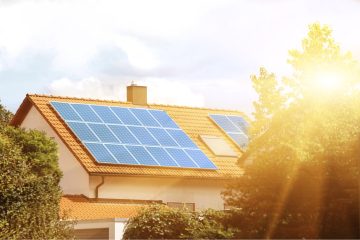
If you’re following the trend of getting solar panels installed in your Parker home, listen up! Parker gets an impressive amount of sunshine throughout the year, which makes it one of the more appealing places in Colorado to invest in solar power. Between the high elevation, clear skies, and long summer days, homeowners here are in a great position to cut down on energy bills and reduce their reliance on the grid. But going solar involves more than slapping panels on a roof. This guide walks through what homeowners in Parker need to know before, during, and after installation, along with where a professional team can make the process much smoother.
Why Solar Makes Sense in Parker
Colorado’s Front Range gets over 245 sunny days a year on average, and Parker sits right in that sweet spot of high solar irradiance and relatively mild weather extremes. That combination means panels here tend to produce more consistent energy output than in cloudier parts of the country. Add in Colorado’s net metering policies and various state incentives, and the math often works out favorably for homeowners within a handful of years.
Local electricity rates have also been climbing steadily, which pushes more residents to look for ways to lock in predictable energy costs. Solar offers a hedge against those rising rates, especially for households planning to stay in their homes for the long term. There’s also a growing sense of energy independence that comes with generating your own power, which appeals to a lot of homeowners who are tired of feeling at the mercy of utility rate changes they have no control over. For many Parker residents, that independence is just as motivating as the financial savings, especially as more neighbors go solar and the technology becomes a more familiar part of the local landscape.
Step 1: Evaluate Your Home’s Solar Potential
Before reaching out to anyone, it helps to have a rough sense of whether your property is a good candidate. South-facing roofs with minimal shading tend to perform best, though east and west-facing roofs can still work well with the right panel placement. Homes with a lot of tree cover or roof obstructions like chimneys and vents may need a more customized layout.
Roof age and condition matter too. If your roof is nearing the end of its lifespan, it’s usually smarter to replace it before installing panels rather than removing and reinstalling the system a few years later. This is one of the first things a good installer will ask about during an initial consultation.
Step 2: Understand Your Energy Usage
Pull up your last twelve months of utility bills if you can. This gives you a clear picture of your household’s energy consumption patterns, including seasonal spikes from air conditioning in summer or heating in winter. Most solar installers in Parker will use this data to size a system that matches your actual usage rather than guessing at your needs.
Oversizing a system wastes money upfront, while undersizing means you won’t offset as much of your electricity bill as you could. Getting this number right is one of the most important parts of the entire planning process.
Step 3: Get Multiple Quotes
It’s worth talking to a few different Parker solar companies before committing to one. Pricing, equipment quality, and warranty terms can vary more than people expect between providers. When comparing quotes, look closely at the type of panels and inverters being proposed, the length and coverage of workmanship warranties, and whether the installer handles permitting and utility interconnection paperwork on your behalf.
Don’t just compare the bottom line price. A slightly higher quote that includes better equipment, a longer warranty, and a smoother installation process is often the better long term value.
Step 4: Choose the Right Equipment
Solar technology has advanced quickly over the past decade, and there are more choices now than ever. Monocrystalline panels are generally the most efficient option and tend to perform well even in the intense high altitude sun that Parker gets. Inverter choice matters too, since string inverters, microinverters, and power optimizers each have different tradeoffs around cost, performance monitoring, and how the system handles partial shading.
Battery storage is also worth considering, especially given Colorado’s occasional severe weather, including hailstorms and heavy snow that can knock out grid power. A battery system lets you keep essential appliances running during an outage rather than losing power entirely. It’s an added expense, but for many households the peace of mind alone makes it worthwhile, particularly if outages in your neighborhood have been more frequent in recent years.
Step 5: Permitting and HOA Approval
Parker has specific permitting requirements for residential solar installations, and depending on your neighborhood, you may also need approval from a homeowners association. This step can take longer than people anticipate, sometimes a few weeks depending on the town’s current permitting volume and how quickly your HOA responds.
Experienced solar installers in Parker typically manage this process for you, submitting the necessary paperwork and handling any back and forth with the town or HOA board. Trying to navigate this alone as a first time solar owner can be confusing, so this is one area where hiring a professional pays off quickly.
Step 6: Installation Day
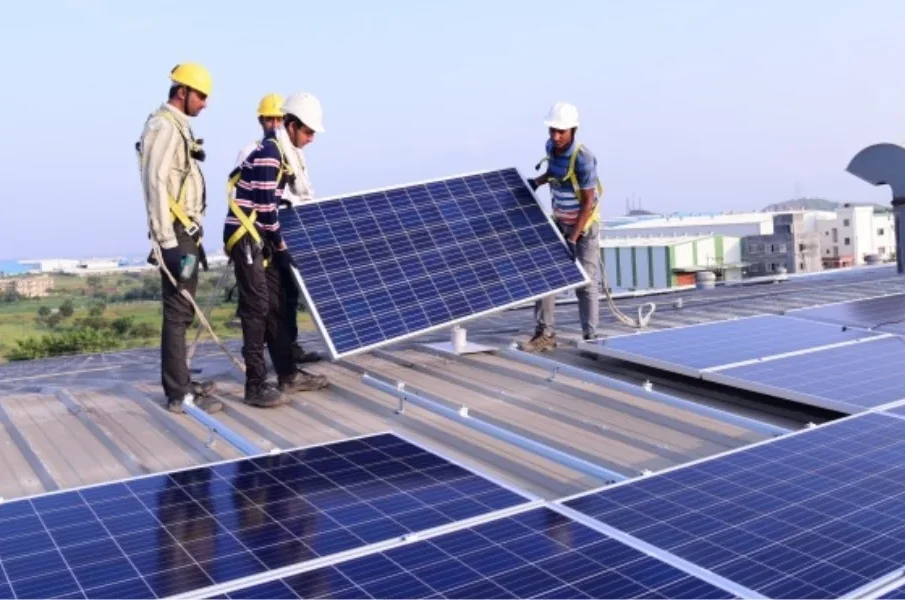
Once permits are approved, the actual installation usually takes one to three days depending on system size and roof complexity. Crews will mount racking to the roof, install the panels, run wiring down to the inverter and electrical panel, and set up any monitoring equipment. A good installer will walk you through the finished system, show you how the monitoring app works, and explain what to expect in terms of maintenance going forward.
Step 7: Inspection and Interconnection
After installation, a local building inspector needs to sign off on the system before it can be connected to the grid. Once that’s approved, your utility company completes what’s called interconnection, which allows your system to send excess power back to the grid and activates your net metering agreement. This step can take anywhere from a few days to a couple of weeks depending on scheduling.
Ongoing Maintenance
Solar systems are relatively low maintenance, but they aren’t entirely hands off. Panels should be checked periodically for debris, snow buildup, or shading changes as nearby trees grow. Most systems come with monitoring software that flags performance issues automatically, so problems are usually caught early. Occasional professional inspections, roughly every few years, help keep everything running at peak efficiency.
Why Hiring a Professional Matters
While it’s technically possible to piece together a DIY solar installation, most homeowners are far better served by working with an experienced local team. Permitting requirements, roof safety, electrical code compliance, and utility paperwork all carry real risk if handled incorrectly, and mistakes can be expensive to fix later.
This is where Solar Side Up stands out among Parker solar companies. Their team handles everything from the initial site evaluation and system design through permitting, installation, and final interconnection with the utility. Rather than leaving homeowners to coordinate multiple vendors or figure out paperwork on their own, Solar Side Up manages the entire process from start to finish, which takes a significant amount of stress off the homeowner’s plate.
Their familiarity with local permitting offices and HOA requirements in the Parker area also means fewer delays compared to installers unfamiliar with the town’s specific processes. For homeowners comparing solar installers in Parker, that local expertise often ends up saving weeks of back and forth, and it can make the difference between a smooth installation and one that drags on for months over avoidable paperwork issues.
Going solar in Parker is a smart move given the area’s strong sun exposure and rising electricity costs, but the process involves more moving parts than most people expect. From evaluating your roof to navigating permitting and utility interconnection, each step benefits from careful planning and, ideally, an experienced local partner. If you’re ready to explore solar for your home, reaching out to a few Parker solar companies for quotes is a good place to start, and if you’d rather skip the guesswork entirely, Solar Side Up is a strong option worth calling first.