Beginner’s Guide to Installing Solar Panels at Home
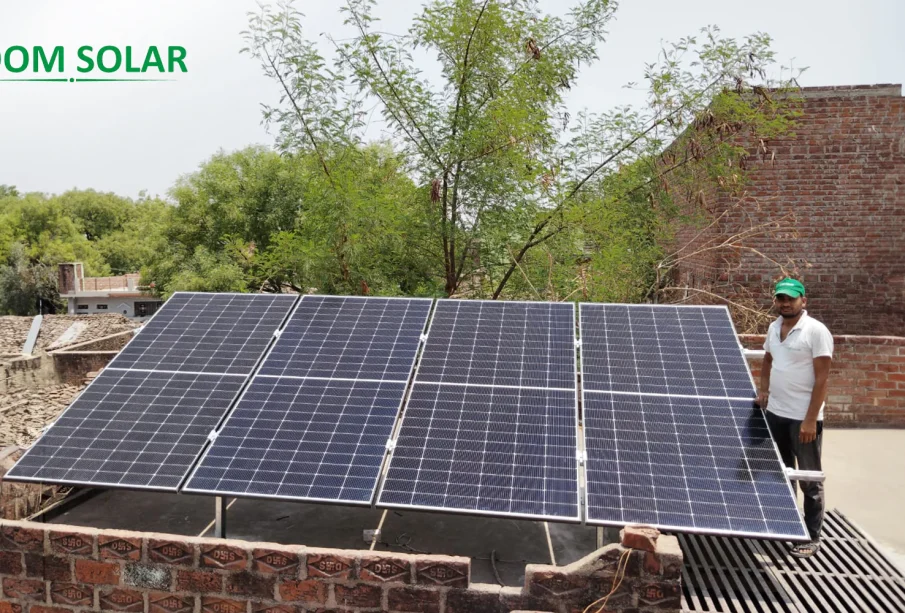
Installing solar panels at home is one of the most practical steps homeowners can take toward reducing electricity costs and increasing energy independence. With improving technology and growing accessibility, residential solar systems are now easier to understand and install than ever before.
This beginner-friendly guide explains how home solar systems work, what preparation is required, and what homeowners should expect before starting installation.
What Are Solar Panels and How Do They Work?
Solar panels convert sunlight into electricity using photovoltaic (PV) cells. These cells generate direct current (DC) electricity, which is then converted into usable alternating current (AC) through an inverter.
A typical residential solar setup includes:
- Solar panels
- Inverter
- Mounting structure
- Electrical wiring
- Safety disconnect systems
- Optional battery storage
Together, these components allow households to produce clean electricity directly from sunlight.
Step 1: Evaluate Your Home’s Solar Potential 🌞
Before installing solar panels, it is important to assess whether your home is suitable.
Key factors to consider:
- Roof orientation (south-facing roofs usually perform best)
- Availability of direct sunlight
- Roof condition and strength
- Presence of shade from trees or nearby buildings
- Available installation space
Homes with consistent sunlight exposure typically achieve better performance and faster returns.
Step 2: Understand Your Household Energy Needs ⚡
Choosing the correct solar system size depends on electricity consumption patterns.
To estimate requirements:
- Review past electricity bills
- Identify peak usage periods
- Calculate average monthly units consumed
- Decide whether the goal is partial or full energy replacement
This step ensures the system is properly sized for your household.
Step 3: Choose the Right Type of Solar System
There are three main types of residential solar systems available.
Grid-Tied Solar Systems
These systems connect directly to the local electricity grid.
Advantages include:
- Lower installation cost
- No battery requirement
- Ability to draw power when solar production is low
- Compatibility with net metering in many regions
Off-Grid Solar Systems
These systems operate independently from utility providers.
They are suitable for:
- Remote locations
- Areas with unreliable electricity supply
- Homes seeking full energy independence
Battery storage is essential in this setup.
Hybrid Solar Systems
Hybrid systems combine grid connectivity with battery storage.
Benefits include:
- Backup power during outages
- Greater energy flexibility
- Better control over electricity usage
They are increasingly popular for modern households.
Step 4: Select Quality Solar Components
System performance depends heavily on component quality.
Important elements to evaluate:
- Panel efficiency ratings
- Inverter reliability
- Warranty coverage
- Mounting structure durability
- Installer experience
High-quality equipment improves long-term savings and reliability.
Step 5: Understand Installation Costs and Incentives 💰
Solar installation costs vary depending on system size and location.
Typical cost factors include:
- Number of panels required
- Installation complexity
- Roof structure type
- Inverter selection
- Optional battery storage
In many regions, homeowners may benefit from:
- Government subsidies
- Tax incentives
- Net metering programs
- Reduced installation charges through local schemes
These benefits improve affordability significantly.
Step 6: Choose a Reliable Solar Installer
Professional installation ensures system safety and performance.
When selecting an installer:
- Verify certifications and experience
- Compare multiple quotations
- Review warranty conditions carefully
- Check customer feedback where available
An experienced installer helps avoid long-term technical issues.
Step 7: Understand the Installation Process 🔧
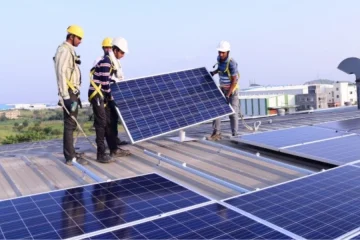
Solar panel installation usually takes one to three days depending on system size.
Typical installation steps include:
- Site inspection and measurement
- Mounting structure placement
- Panel installation
- Inverter setup
- Electrical connections
- Safety testing and commissioning
After completion, the system begins generating electricity immediately during daylight hours.
Step 8: Learn About Maintenance Requirements
Solar panels require minimal maintenance compared to many household systems.
Basic maintenance includes:
- Cleaning panels periodically
- Removing dust or debris buildup
- Monitoring inverter performance
- Scheduling occasional professional inspections if needed
Proper maintenance ensures consistent long-term performance.
Step 9: Monitor System Performance After Installation 📊
Most modern solar systems include monitoring tools that track electricity generation.
Monitoring helps homeowners:
- Identify performance changes
- Detect technical issues early
- Optimize electricity usage patterns
- Measure savings accurately
Regular monitoring improves overall system efficiency.
Step 10: Plan for Long-Term Energy Savings
Solar panels typically operate efficiently for more than two decades. Over time, households benefit from predictable electricity costs and reduced dependence on external power supply.
Installing solar panels is not just a short-term upgrade—it is a long-term investment in energy security and sustainability.
Frequently Asked Questions (FAQs)
1. How much roof space is required for installing solar panels?
Most residential systems require approximately 8–12 square meters of roof space per kilowatt of installed capacity.
2. Can solar panels be installed on flat roofs?
Yes. Mounting structures can adjust panel angles to optimize sunlight exposure on flat surfaces.
3. Do solar panels work during winter months?
Yes. Solar panels continue generating electricity in winter as long as sunlight is available.
4. Is professional installation necessary for home solar systems?
Yes. Professional installation ensures safety compliance and optimal system performance.
5. Can additional panels be added later to expand the system?
Yes. Many systems allow expansion depending on inverter capacity and available roof space.
6. Do solar panels require frequent servicing?
No. Occasional cleaning and routine inspections are usually sufficient.
7. What happens if electricity production exceeds household usage?
Excess electricity can often be exported to the grid under net metering policies where available.