Why Trees and Open Space Matter in a Dense City
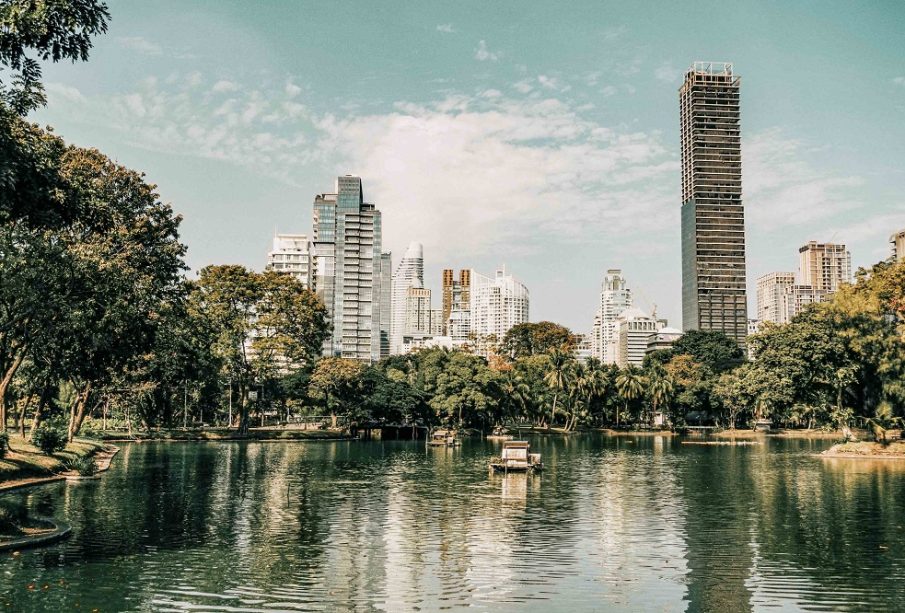
In a city built around towers, offices, roads and constant movement, trees and public space have a very practical job to do. The need for lush green areas Bangkok residents can use every day becomes clearer as central districts grow busier. A shaded path, an open lawn or somewhere to sit outdoors can change how people experience the city between home, work and everything else in the day.
Shade Makes Outdoor Life Possible
Bangkok’s heat affects how people use public areas. A walkway with no cover may be fine for a quick crossing, but few people will choose to sit there, exercise there or spend time with friends in the middle of the day. Trees change that. Shade makes walking more comfortable, gives people a place to pause and helps outdoor spaces remain useful beyond early morning and evening.
This is one reason planted spaces should not be treated as something added after buildings and roads are finished. They need to be part of the way an area works. At the Urban Park on Rama IV, large shade trees, water features, pedestrian walkways and seating areas are included within the public space, giving people a setting that is designed for regular use rather than an area that only looks attractive from a distance.
Open Space Gives People Room in the City
Dense cities can provide convenience, employment and entertainment, but they can also feel tiring when every part of the day takes place indoors or beside traffic. Open space offers a break from that routine. It may be used for a morning run, a lunchtime walk, a weekend meeting place or a simple route between destinations that feels better than walking along a busy road.
This matters to people at every stage of life. Office workers need outdoor places close enough to use during the day. Families need room where children can move around safely. Older residents benefit from accessible walking routes and places to sit. People living in apartments may value public green space even more because it gives them the outdoor room their homes cannot provide.
Connected Parks Are More Useful Than Isolated Ones
A park becomes far more valuable when it links with other routes and public areas. One Bangkok Urban Park covers more than 50 rai and is designed to connect Lumphini Park and Benjakitti Park, helping create a much larger network of green space in central Bangkok. That connection gives walkers and cyclists greater freedom to move through the city in a setting built around trees and open areas rather than only roads.
The park also includes cycling paths, pedestrian routes and outdoor event areas, with public access available throughout the day and night. These details affect how often the space can become part of normal routines. A park that can be used before work, during lunch or after dinner has a far stronger role in city life than somewhere people need to plan a special visit to enjoy.
Greener Streets Change Everyday Habits
People are far more likely to walk when the route feels comfortable, safe and pleasant. They are more likely to meet outside when there are places to sit and enough shade to stay for a while. They are more likely to exercise near home or work when outdoor facilities are within reach.
Bangkok does not need to stop being a busy city to make room for nature. It needs new development to recognize that trees, shaded paths and public open space support the ordinary routines that make urban life feel healthier and less crowded.