Guide On How To Choose The Right Inverters And Batteries For Indian Homes In 2026
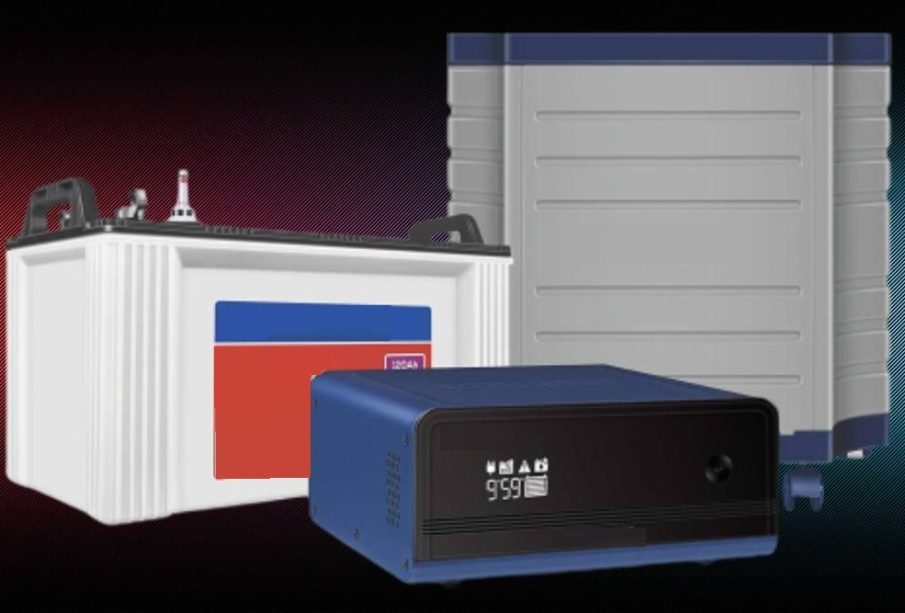
Have you ever wondered why some families never stress about power cuts? While others panic every time the lights go out? Well, the secret is having the right inverters and batteries at home. These families planned ahead and picked the perfect backup power system.
Most Indian homes face power cuts for 2-6 hours daily. But in summers that often increases. In some areas, power cuts last for days at a stretch during the monsoon.
But what if you could ignore all these power issues completely?
A good backup system with quality inverters and batteries changes everything. Your life continues normally even when the grid fails. Working from home becomes stress-free. Kids can study without interruption. Food stays fresh in the fridge.
But here’s the problem. There are different options available in the market now. There are plenty of brands, variants, and price ranges to choose from. How do you pick the right one?
Don’t sweat. By the end of this guide, you’ll know exactly which inverters and batteries to buy.
1. Calculate Your Power Requirements First
Why do most people buy the wrong inverter size? Because they never calculate their actual needs properly. They guess. And guessing leads to problems later.
To avoid this, write down everything you want to run during power cuts. Be realistic about this.
Most families need these things working:
- LED lights for the house
- Ceiling fans for comfort
- TV for entertainment
- Wi-Fi router for the internet
- Phone charging points
- Refrigerator
Do you live in an independent house? Then add a water pump to this list. Otherwise, skip it.
Here’s how you can too calculate your power consumption by yourself.
Consider this as an example. Each LED bulb uses about 10 watts. So 4 bulbs need 40 watts total. One ceiling fan uses around 70-75 watts. Your TV needs about 120 watts. A Wi-Fi router takes 25 watts.
The total comes to 350 watts. Now add 20% extra. Why? Because it’s always better to have some buffer. So you need around 420 watts of capacity.
This calculation tells you exactly what inverter size to buy. No more guessing. No more buying too small or too big.
2. Pick the Right Inverter Size for Your Home
If your device is too small, it will shut down when you need it most. If it’s too big, you waste money unnecessarily. Neither situation is good.
So how do you pick the perfect size? Use the wattage calculation from step 1. Then you look for standard inverter sizes offering power close to your wattage.
Here are some inverter options that are readily available:
600-800 VA: Good for small spaces. Can run basic lights and one fan only. Perfect for students or single-person homes.
1000-1500 VA: The most popular choice for Indian families. Works great for 1-3 BHK homes. Can handle lights, fans, TV, and Wi-Fi together easily.
1800-2500 VA: For bigger homes or families who want refrigerator backup too. Also good if you need to run a water pump.
Which size should you choose? Most families find 1200-1500 VA perfect for their needs. It’s not too expensive but handles all essential appliances.
But what if your calculation shows you need more power? Then go for the next size up. It’s better to have extra capacity than running short during emergencies.
3. Which Battery Technology to Choose?
Picking the right battery type may be daunting since there are a lot of options that might seem to fit your needs. And besides, each one has different prices and features.
So which battery technology should you choose? That depends on your budget and maintenance preference.
Lead Acid Batteries: This is the cheapest option available for batteries. They work reliably but need regular care. For them to work optimally, you have to add water to the unit every 2-3 months. The batteries generally last about 3-4 years.
Maintenance-Free Batteries: Same performance as lead acid. But you don’t need to add water. They cost 15-20% more than regular batteries. But the convenience is worth it.
Lithium-Ion Batteries: The premium choice with amazing benefits. They last 8-10 years easily. No maintenance needed at all. They charge faster too. But they cost 3-4 times more upfront.
Which one makes sense for you? If you have a tight budget, lead-acid works fine. If you want convenience, go maintenance-free. If you have a good budget, it’s best that you choose lithium.
4. Battery Life in One Charge
You are prone to 10-hour-long power cuts regularly (or even occasionally). Is your battery equipped to last through this? Most people have no idea about their battery’s backup time. They buy blindly and regret it later.
But calculating backup time is actually very easy. You just need three numbers. Your battery’s capacity, grid voltage, and your total load.
Use this formula to get your battery’s backup time:
Battery Capacity (Ah) × 12 Volts ÷ Your Total Load = Backup Hours
Consider an example. You have a 150Ah battery and 300 watts load. So, 150 × 12 ÷ 300 = 6 hours backup.
The following battery options are easily available:
- 100-120 Ah gives 3-4 hours backup
- 150-180 Ah gives 5-7 hours backup
- 200+ Ah gives 8+ hours backup
Note: Also check how long power cuts usually last in your area. Then pick a battery that gives 1-2 hours extra as a safety margin.
5. Look for Important Safety Features
What’s more important than backup time? Your family’s safety during power cuts. Modern inverters and batteries come with many safety features. Some are essential. Others are just nice to have.
Which features should you never compromise on? Here are the must-have safety features:
- Pure sine wave output – protects your expensive electronics
- Overload protection – prevents damage during high usage
- Short circuit protection – stops dangerous electrical faults
- Automatic charging control – prevents battery overcharging
What about smart features like mobile apps? They’re useful but not essential. Focus on safety first. Convenience features can come later.
Why is pure sine wave output so important? Because your TV, computer, and other electronics need clean power. Modified sine wave can damage these devices over time.
Conclusion
Yes, buying quality inverters and batteries is expensive. Initially. And you also need proper installation. Some battery types need regular care, too.
But think about this. You live in a home that does not have frequent power outages! The convenience and comfort make the fiscal cost of inverters and batteries totally worth it.
And there is a return on this investment as well! You save money on spoiled food and missed work. You gain peace of mind and a better quality of life.
The key is picking the right system. Don’t buy too small or too big. Don’t compromise on safety features.
Follow this guide step by step. Calculate your needs properly. You’ll love the results.