Top Energy-Saving Habits Every Household Should Start Practicing
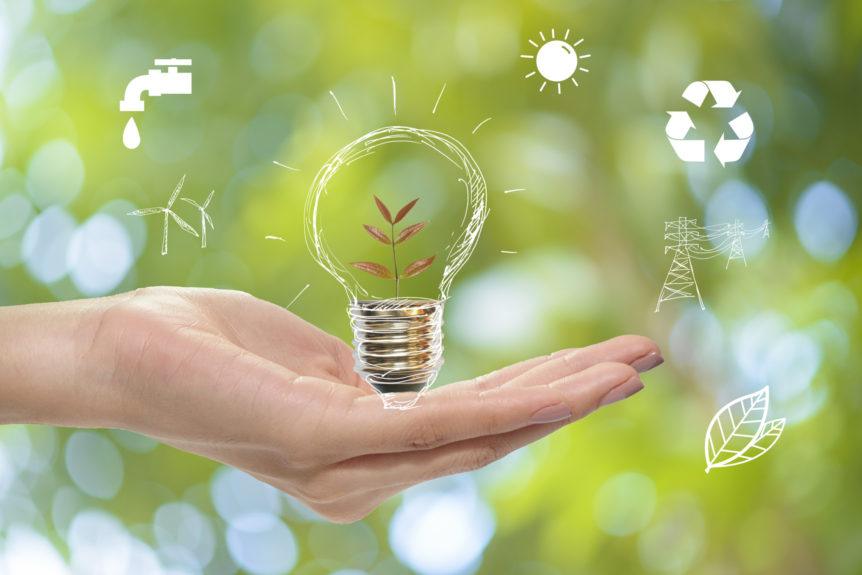
Save earth concept
Reducing energy consumption at home doesn’t always require expensive upgrades or lifestyle changes. In most cases, simple daily habits can significantly lower electricity usage, reduce monthly bills, and support environmental sustainability. When practiced consistently, these small adjustments create long-term benefits for both households and the planet.
Here are some practical and effective energy-saving habits every household can start practicing right away.
Turn Off Lights When Leaving a Room 💡
Lighting is one of the most common sources of unnecessary electricity consumption.
Developing the habit of switching off lights:
- Reduces daily power usage
- Extends bulb lifespan
- Prevents avoidable electricity waste
- Builds long-term energy awareness among family members
Encouraging everyone in the household to follow this simple practice makes a noticeable difference over time.
Unplug Devices That Are Not in Use
Many electronic devices continue consuming electricity even when switched off but still connected to power outlets.
Common standby energy users include:
- Phone chargers
- Televisions
- Microwave ovens
- Desktop computers
- Set-top boxes
Disconnecting idle devices helps eliminate hidden electricity consumption.
Use Energy-Efficient LED Lighting
Replacing traditional bulbs with LED lighting is one of the fastest ways to improve home efficiency.
LED bulbs offer:
- Lower electricity consumption
- Longer operational life
- Reduced heat generation
- Consistent brightness performance
Switching frequently used lights first delivers the quickest savings.
Run Appliances With Full Loads Only 👕
Household appliances operate more efficiently when used properly.
Best practices include:
- Running washing machines with full loads
- Using dishwashers efficiently
- Avoiding partial appliance cycles
- Choosing eco-mode settings when available
Efficient appliance usage reduces both electricity and water consumption.
Maintain Air Conditioners and Fans Regularly 🌬️
Cooling appliances work harder when filters or vents are dirty.
Regular maintenance helps:
- Improve airflow efficiency
- Reduce electricity usage
- Extend equipment lifespan
- Maintain consistent indoor comfort
Cleaning filters periodically supports better performance.
Make Better Use of Natural Daylight ☀️
Daytime lighting often relies unnecessarily on artificial sources.
Simple adjustments include:
- Opening curtains early in the morning
- Keeping windows clean
- Arranging furniture near natural light sources
- Using light-colored interiors where possible
Maximizing daylight reduces electricity demand naturally.
Choose the Right Temperature Settings for Appliances
Temperature control plays a major role in energy consumption.
Recommended adjustments:
- Avoid extremely low AC settings
- Use moderate refrigerator temperatures
- Select energy-saving washing modes
Balanced settings improve appliance efficiency without affecting comfort.
Use Smart Power Strips for Electronics
Smart power strips help control electricity usage automatically.
They provide benefits such as:
- Cutting standby power consumption
- Protecting electronic devices
- Simplifying power management
- Improving overall safety
This is a simple upgrade that delivers long-term savings.
Switch Off Fans and Cooling Devices When Rooms Are Empty
Cooling systems consume more electricity than most household devices.
Turning them off when not needed:
- Prevents unnecessary energy use
- Reduces electricity bills
- Extends appliance lifespan
- Improves efficiency across the home
This habit alone can significantly lower consumption during warmer months.
Monitor Monthly Electricity Usage 📊
Tracking electricity usage helps households understand where energy is being spent.
Monitoring benefits include:
- Identifying high-consumption appliances
- Improving usage patterns
- Planning better energy-saving strategies
- Measuring progress over time
Awareness encourages smarter energy decisions.
Why Consistent Habits Matter More Than One-Time Changes
Energy efficiency is not achieved through a single action. Instead, it develops through consistent daily behavior across the household. When simple energy-saving habits become routine, they create lasting improvements in comfort, cost control, and environmental responsibility.
Small efforts practiced regularly lead to meaningful long-term results.
Frequently Asked Questions (FAQs)
1. Can small energy-saving habits really reduce electricity bills noticeably?
Yes. Consistent small actions across multiple appliances can significantly lower monthly electricity usage over time.
2. Do standby electronic devices consume a large amount of electricity?
Individually they consume small amounts, but collectively they can increase overall household consumption noticeably.
3. Is switching off appliances better than leaving them in standby mode?
Yes. Completely switching off appliances prevents unnecessary power draw.
4. Does cleaning appliances improve their energy efficiency?
Yes. Clean filters and components allow appliances to operate more efficiently.
5. Can children contribute to energy-saving habits at home?
Yes. Encouraging simple actions like switching off lights helps build responsible habits early.
6. Is monitoring electricity usage difficult for households?
No. Most electricity bills and smart meters provide clear usage information.
7. How long does it take to notice results from energy-saving habits?
Many households begin noticing improvements in electricity usage within the first billing cycle.