Simple Eco-Friendly Changes That Make a Big Difference at Home
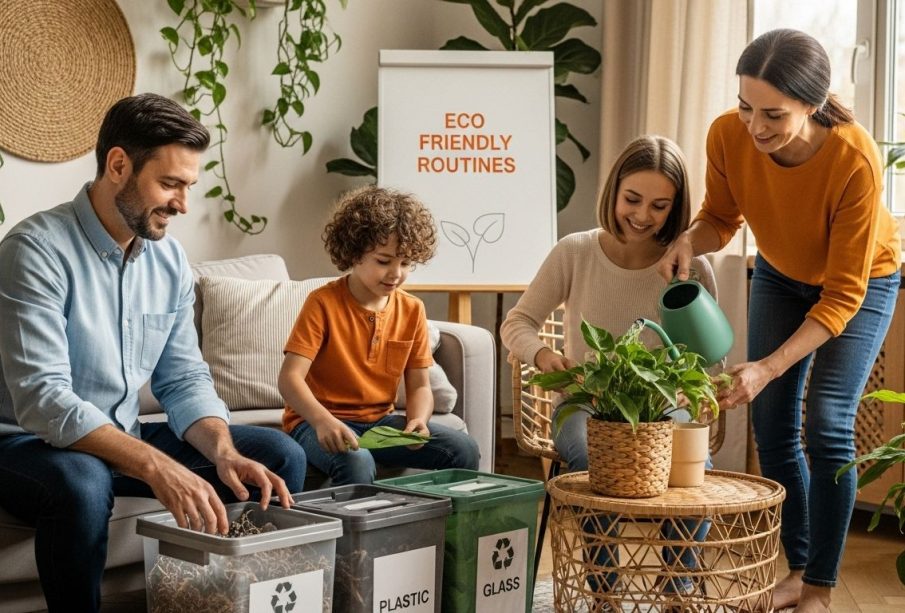
Creating a more sustainable home doesn’t require major renovations or expensive upgrades. In fact, some of the most effective environmental improvements come from small, practical adjustments in everyday habits and household choices. These simple steps not only reduce environmental impact but also help lower utility bills and create a healthier living space.
Making eco-friendly changes at home is about building smarter routines that support long-term sustainability without disrupting comfort or convenience.
Switch to Energy-Efficient Lighting 💡
Lighting is one of the easiest areas to improve instantly.
Replacing traditional bulbs with LED lighting offers several benefits:
- Uses significantly less electricity
- Produces less heat
- Lasts much longer than standard bulbs
- Reduces replacement frequency
This simple change can noticeably reduce household energy consumption over time.
Reduce Single-Use Plastics in Daily Life
Single-use plastics create long-term environmental damage and increase household waste unnecessarily.
Practical alternatives include:
- Reusable shopping bags
- Steel or glass water bottles
- Cloth kitchen towels instead of disposable wipes
- Refillable storage containers
Small switches like these reduce waste generation every day.
Use Natural Cleaning Products 🧴
Many conventional cleaning products contain harsh chemicals that affect indoor air quality and water systems.
Eco-friendly alternatives:
- Vinegar-based surface cleaners
- Baking soda for stain removal
- Lemon for natural deodorizing
- Plant-based cleaning liquids
These options are safer for both families and the environment.
Improve Water-Saving Habits 🚿
Water conservation plays a major role in sustainable living.
Simple actions that make a difference:
- Turn off taps while brushing teeth
- Fix leaking faucets quickly
- Use buckets instead of running hoses for cleaning
- Install low-flow showerheads if possible
These steps help reduce unnecessary water consumption without affecting daily routines.
Make Better Use of Natural Light and Ventilation ☀️
Reducing dependence on artificial lighting and cooling systems supports energy conservation.
Helpful adjustments include:
- Opening curtains during daylight hours
- Keeping windows aligned for cross-ventilation
- Rearranging furniture to allow airflow
- Using lighter interior colors to reflect light
These strategies improve comfort while lowering electricity usage.
Start Composting Kitchen Waste 🍃
Organic waste from kitchens can be converted into useful compost instead of ending up in landfills.
Common compost-friendly materials:
- Vegetable peels
- Fruit scraps
- Tea leaves
- Coffee grounds
- Eggshells
Composting supports soil health and reduces household waste volume.
Choose Reusable Household Items
Disposable products often seem convenient but create unnecessary environmental strain.
Reusable alternatives include:
- Cloth napkins
- Stainless steel straws
- Rechargeable batteries
- Durable grocery containers
These choices reduce both waste and long-term expenses.
Add Indoor Plants for a Healthier Home 🌱
Indoor plants improve air quality and create a calming living environment.
Popular easy-care options:
- Snake plant
- Aloe vera
- Money plant
- Peace lily
Plants also help regulate humidity and enhance indoor comfort naturally.
Turn Off Appliances When Not in Use 🔌
Many devices continue consuming electricity even when idle.
Reducing standby energy usage can be done by:
- Switching off power strips at night
- Unplugging chargers when not needed
- Turning off televisions completely instead of leaving them on standby
These habits quietly reduce electricity waste throughout the year.
Support Sustainable Purchasing Decisions
Eco-friendly living extends beyond daily routines into buying choices.
Look for products that are:
- Durable instead of disposable
- Repairable rather than replaceable
- Made from recycled materials
- Packaged with minimal plastic
Thoughtful purchasing reduces environmental impact over time.
Why Small Changes Create Long-Term Impact
Sustainability at home is not about perfection—it’s about consistency. When small eco-friendly habits become routine, they collectively reduce energy consumption, conserve resources, and minimize waste generation.
Over time, these everyday improvements contribute to healthier homes, lower expenses, and a cleaner environment for future generations.
Frequently Asked Questions (FAQs)
1. Can eco-friendly habits really reduce monthly household expenses?
Yes. Reducing electricity, water usage, and disposable purchases can gradually lower regular household costs.
2. Is composting difficult to manage in small homes or apartments?
No. Compact compost bins are available and work well even in limited indoor or balcony spaces.
3. Are natural cleaning products as effective as chemical cleaners?
Many natural cleaning solutions are highly effective for everyday household cleaning tasks.
4. Do indoor plants require a lot of maintenance?
Most beginner-friendly indoor plants need minimal care and occasional watering.
5. How can families encourage children to follow eco-friendly habits at home?
Simple practices like waste sorting, turning off lights, and using reusable bottles help children learn sustainability naturally.
6. Is switching to reusable household items expensive initially?
Some reusable products may cost more upfront, but they reduce long-term replacement expenses.
7. Can eco-friendly changes improve indoor air quality?
Yes. Reducing chemicals, improving ventilation, and adding indoor plants all contribute to healthier indoor air.