Why Professional E-Waste Collection Beats DIY Disposal Every Time
Most people figure tossing old electronics in the bin or dropping them at a random collection point is good enough. It feels like you’re doing the right thing, clearing space, getting rid of clutter, maybe even helping the environment a bit. But here’s the reality: DIY e-waste disposal rarely works out the way you’d hope. Between data security risks, environmental hazards, and the sheer inconvenience of figuring out what goes where, handling electronic waste yourself often creates more problems than it solves.
Professional e-waste services exist for good reasons that go way beyond just convenience. They handle the messy, complicated parts that most people don’t even know exist.
The Data Security Problem Nobody Talks About
Deleting files doesn’t actually delete them. Formatting a hard drive doesn’t wipe it clean. Even smashing a device with a hammer (which some people genuinely try) doesn’t guarantee your information is gone. Old phones, laptops, tablets, and even printers store more personal and business data than most people realize.
Professional services use industrial-grade data destruction methods. We’re talking about degaussing, shredding drives into tiny pieces, or using software that overwrites data multiple times according to military standards. They provide certificates proving your data was destroyed, which matters a lot if you’re a business dealing with customer information or financial records.
Try doing that in your garage. You can’t. And dropping an old laptop at a council e-waste bin means trusting that nobody’s going to pull out the hard drive before it gets processed. That’s a gamble most people shouldn’t take, especially with identity theft being what it is these days.
The Toxic Materials You’re Actually Handling
Electronics aren’t just plastic and metal. They contain lead, mercury, cadmium, beryllium, and brominated flame retardants. Your old CRT monitor has several kilograms of lead in it. Batteries leak acids and heavy metals. Circuit boards are loaded with materials that shouldn’t end up in landfills or, worse, sitting in your shed for years.
When these materials break down improperly, they leach into soil and groundwater. They release toxic fumes if burned. They accumulate in ecosystems and eventually work their way up the food chain. This isn’t alarmist thinking; it’s documented environmental science.
Professional e-waste handlers have the equipment and training to manage hazardous materials safely. For businesses looking to handle their outdated equipment responsibly, services offering comprehensive e-waste recycling take care of everything from pickup to certified disposal, removing both the physical burden and the liability that comes with improper handling.
They wear protective gear. They work in controlled environments. They follow regulations that exist specifically because these materials are dangerous. When you handle e-waste yourself, you’re exposing yourself to these toxins without even knowing it half the time.
The Logistics Get Complicated Fast
Say you’ve decided to do the right thing and recycle your old electronics. Where do you start? Different items go to different places. Batteries can’t go with general e-waste. Some retailers take back specific brands. Council collections happen maybe twice a year and have restrictions on what they accept.
You end up with a pile of old tech sitting in the corner while you research drop-off locations, check their hours, figure out which items they actually take, and plan multiple trips because nobody accepts everything. It’s annoying enough that most people just don’t do it. The devices stay in storage indefinitely.
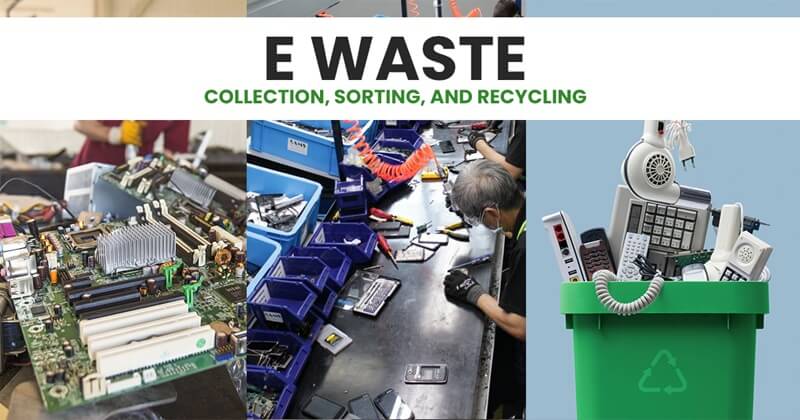
Professional collection services show up at your door. They take everything in one go. They sort it properly on their end. The whole process takes maybe twenty minutes of your time instead of hours of research and driving around.
Recovery Rates Actually Matter
The point of recycling electronics isn’t just to keep them out of landfills. It’s to recover valuable materials that can be reused. Modern electronics contain gold, silver, copper, palladium, and rare earth elements. These materials took significant energy and environmental cost to extract in the first place.
Professional recycling facilities have the technology to recover these materials efficiently. They can extract precious metals from circuit boards, separate different types of plastics for proper recycling, and process components in ways that maximize material recovery. Your average person can’t do this. Even well-meaning DIY recycling often means materials that could’ve been recovered end up lost.
Higher recovery rates mean less new mining, less environmental destruction, and better use of finite resources. It’s not just about feeling good for recycling—it’s about the recycling actually accomplishing something meaningful.
The Legal Side Gets Messy
Australia has regulations around e-waste disposal, particularly for businesses. The National Television and Computer Recycling Scheme has requirements. Some electronics are banned from landfills. Improper disposal can mean fines, particularly for companies.
Most individuals don’t face serious legal consequences for tossing a phone in the bin, but businesses absolutely can. And even for individuals, there’s a liability question if improperly disposed electronics cause environmental damage that gets traced back to you. It’s rare, but it happens.
Professional services handle compliance as part of the package. They’re licensed, insured, and follow all relevant regulations. They provide documentation proving proper disposal. For businesses, this matters for audits and environmental reporting. For individuals, it’s peace of mind.
When DIY Actually Works (Rarely)
There are a few scenarios where handling e-waste yourself makes sense. If you have one or two small items, you live near a legitimate collection point, you’ve properly wiped any data yourself, and you’re certain the facility actually recycles rather than just collecting items, then sure, DIY works fine.
But that’s a lot of conditions. Most people don’t meet all of them. And the more devices you’re dealing with, or the more sensitive the data involved, the less sense DIY makes.
What Professional Services Actually Cost
Here’s where people hesitate. Professional collection isn’t always free. But the cost is usually less than people expect, especially when you consider what you’re getting. Many services offer free pickup for businesses disposing of bulk quantities. Some have minimal fees for residential pickups that cover multiple items.
Compare that to the time spent researching options, driving to multiple locations, potential data breach costs if information isn’t properly destroyed, or fines for improper disposal. The professional route often ends up cheaper when you factor in everything involved.
Making the Smart Choice
The DIY approach to e-waste sounds good in theory. It feels proactive and responsible. But between security risks, safety concerns, logistical headaches, and mediocre recovery rates, it rarely delivers what people hope for.
Professional e-waste collection handles all the complicated bits that make DIY disposal such a hassle. They secure your data properly, manage hazardous materials safely, maximize material recovery, and ensure legal compliance. They do it efficiently and, often, for less than the hidden costs of handling it yourself.
Old electronics deserve proper disposal. But “proper” involves more than good intentions. It requires the right equipment, knowledge, and processes that professional services provide. Sometimes the better choice is admitting certain jobs are worth leaving to people who do them right.