10 Smart Ways to Reduce Electricity Bills Without Changing Your Lifestyle
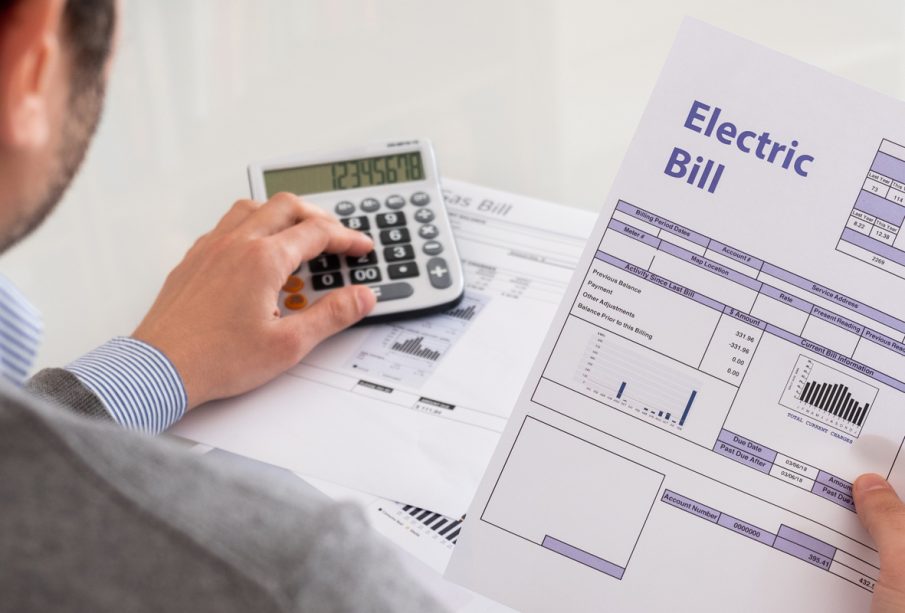
Electricity costs quietly add up month after month—even when your daily routine stays exactly the same. The good news is that lowering your bill doesn’t require discomfort, expensive upgrades, or lifestyle sacrifices. With a few strategic adjustments and smarter usage habits, households can cut energy waste significantly while continuing their normal routines.
Below are 10 practical and effective strategies that help reduce electricity bills without changing how you live.
1. Switch to LED Lighting Throughout the Home 💡
Traditional bulbs consume far more energy than modern alternatives.
LED bulbs:
- Use up to 80% less electricity
- Last significantly longer
- Produce less heat
- Reduce replacement costs over time
Simply replacing frequently used bulbs—like those in living rooms, kitchens, and entrances—can noticeably lower monthly consumption.
2. Unplug Devices That Stay on Standby
Many appliances quietly draw electricity even when turned off. This hidden usage is called phantom power.
Common standby energy users include:
- Televisions
- Set-top boxes
- Chargers
- Microwave ovens
- Desktop computers
Switching off power strips at night can reduce unnecessary consumption without affecting comfort.
3. Optimize Refrigerator Efficiency 🧊
Your refrigerator runs continuously, making it one of the biggest contributors to electricity bills.
Simple adjustments that help:
- Keep temperature between 3°C and 5°C
- Avoid overloading shelves
- Ensure door seals remain tight
- Allow hot food to cool before storing
These small steps improve performance without changing your daily routine.
4. Use Ceiling Fans Before Air Conditioning
Fans consume far less electricity than air conditioners.
Instead of immediately turning on AC:
- Start with ceiling fans
- Use AC only when necessary
- Combine fan + AC for faster cooling
This approach maintains comfort while reducing power usage significantly.
5. Run Washing Machines with Full Loads 👕
Operating appliances efficiently matters more than using them less often.
Best practices:
- Wash clothes only when loads are full
- Prefer cold-water wash cycles
- Use eco-mode when available
These changes reduce electricity and water consumption simultaneously.
6. Shift Heavy Appliance Usage to Off-Peak Hours ⏰
Many electricity providers charge differently depending on usage timing.
Try running:
- Washing machines
- Water heaters
- Dishwashers
during late evening or early morning hours, when demand is lower and tariffs may be reduced.
7. Maintain Air Conditioner Filters Regularly 🌬️
Dirty filters force air conditioners to work harder.
Cleaning filters:
- Improves cooling efficiency
- Reduces electricity consumption
- Extends appliance lifespan
- Improves indoor air quality
Cleaning once every 2–4 weeks during peak usage months makes a noticeable difference.
8. Make Better Use of Natural Light ☀️
Artificial lighting is often used unnecessarily during daytime hours.
Simple habits that help:
- Open curtains earlier
- Arrange desks near windows
- Use lighter wall colors where possible
Natural lighting reduces daytime electricity use without effort.
9. Install Smart Power Strips
Smart power strips automatically cut electricity to unused devices.
Benefits include:
- Eliminating standby energy loss
- Protecting electronics
- Improving safety
- Reducing monthly consumption gradually
They work silently in the background without requiring behavior changes.
10. Choose Energy-Efficient Appliances When Replacing Old Ones ⭐
Appliances eventually need replacement anyway. Choosing efficient models ensures long-term savings.
Look for:
- High energy rating labels
- Inverter technology
- Smart temperature control features
Even replacing just one high-consumption appliance can reduce yearly electricity costs noticeably.
Frequently Asked Questions (FAQs)
1. How much electricity can LED bulbs realistically save each month?
Switching the most-used bulbs in a home to LED lighting can reduce lighting-related electricity consumption by 50–80%, depending on usage duration.
2. Do phone chargers consume electricity when left plugged in without a phone?
Yes. Chargers continue drawing small amounts of electricity even without a connected device.
3. Is it expensive to install smart power strips?
No. Smart power strips are affordable and typically recover their cost through reduced electricity consumption within a few months.
4. Does keeping refrigerator doors closed tightly really impact electricity bills?
Yes. Loose door seals allow cold air to escape, forcing the compressor to run longer and increasing power usage.
5. Are ceiling fans cheaper to run than air conditioners?
Yes. A ceiling fan generally consumes up to 90% less electricity than an air conditioner.
6. Can cleaning appliances improve energy efficiency?
Absolutely. Clean filters, vents, and coils allow appliances to operate smoothly and consume less electricity.
7. Do energy-efficient appliances make a noticeable difference over time?
Yes. High-efficiency appliances reduce long-term electricity consumption and can significantly lower annual energy expenses without affecting comfort.