LED Lighting vs Traditional Bulbs: Which Saves More Energy?
Lighting plays a major role in household electricity consumption, yet many homes still rely on outdated bulb technologies that use far more power than necessary. Switching to efficient lighting is one of the simplest and most cost-effective upgrades homeowners can make to reduce energy usage without changing daily routines.
Understanding how LED lighting compares with traditional bulbs helps homeowners make smarter choices that lower electricity bills while improving lighting quality and durability.
What Are Traditional Bulbs?
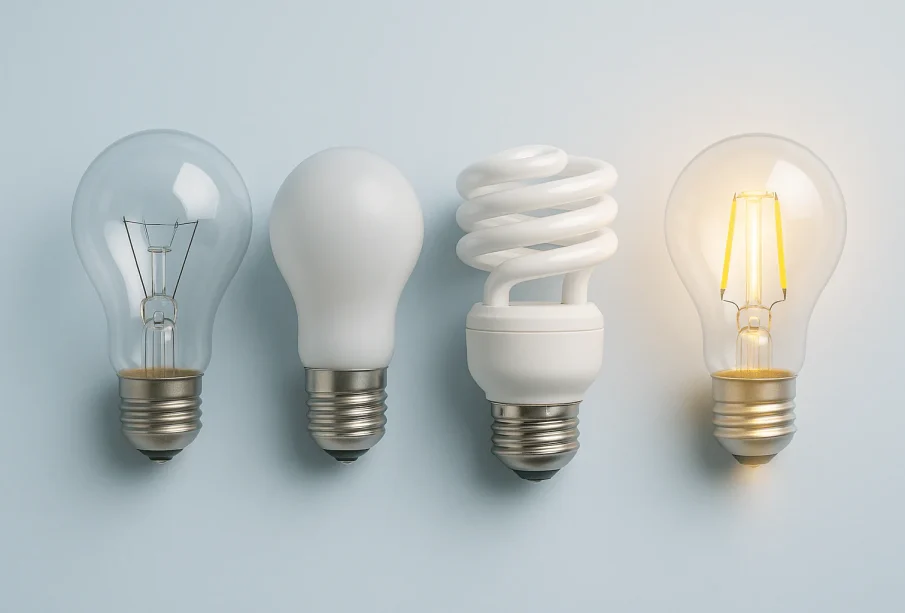
Traditional bulbs usually refer to incandescent bulbs and, in some cases, halogen bulbs. These lighting options have been widely used for decades but are less efficient by modern standards.
Traditional bulbs work by heating a filament until it glows, which produces light—but also wastes a large portion of energy as heat.
Key characteristics include:
- Higher electricity consumption
- Shorter lifespan
- Increased heat generation
- Lower overall efficiency
Because of these limitations, many households are gradually replacing them with LED alternatives.
What Are LED Bulbs?
LED (Light Emitting Diode) bulbs produce light using semiconductor technology rather than heat-based filaments. This makes them significantly more efficient and longer-lasting.
LED lighting offers:
- Lower power consumption
- Longer operational life
- Reduced maintenance needs
- Minimal heat output
- Stable brightness performance
These advantages make LEDs the preferred choice for modern homes.
How Much Energy Do LED Bulbs Actually Save? 📉
One of the biggest differences between LED and traditional bulbs is energy usage.
Typical comparison:
- A 9-watt LED bulb produces similar brightness to a 60-watt incandescent bulb
- LEDs consume up to 80–90% less electricity
- Lower energy use translates directly into reduced monthly electricity bills
Over time, even replacing a few frequently used bulbs can lead to noticeable savings.
Lifespan Comparison: LED vs Traditional Bulbs ⏳
Bulb lifespan significantly affects long-term cost and convenience.
Average lifespan comparison:
- Incandescent bulb: about 1,000 hours
- Halogen bulb: about 2,000 hours
- LED bulb: about 15,000–25,000 hours
This means one LED bulb can often replace multiple traditional bulbs over its lifetime.
Heat Production and Safety Differences
Traditional bulbs convert most electricity into heat rather than light. This results in energy waste and can increase indoor temperatures.
LED bulbs:
- Produce very little heat
- Improve indoor comfort during warm seasons
- Reduce cooling system workload
- Lower fire risk compared to high-heat bulbs
These safety and efficiency benefits make LEDs especially suitable for long-duration usage areas.
Cost Comparison: Upfront vs Long-Term Savings 💰
LED bulbs usually cost more initially, but their long-term benefits outweigh the purchase price difference.
Long-term advantages include:
- Reduced electricity bills
- Fewer replacements required
- Lower maintenance costs
- Better performance consistency
Over time, LEDs typically become the more economical choice.
Brightness and Lighting Quality Differences
Modern LED bulbs provide excellent lighting quality that matches or exceeds traditional bulbs.
Lighting improvements include:
- Instant full brightness
- Multiple color temperature options
- Flicker-free illumination
- Directional lighting control
These features improve comfort in living rooms, kitchens, and workspaces.
Environmental Impact of LED Lighting 🌱
Energy-efficient lighting supports environmental protection by reducing electricity demand and waste.
Environmental benefits of LEDs:
- Lower carbon emissions from power generation
- Reduced landfill waste due to longer lifespan
- No harmful materials like mercury (common in some older lighting technologies)
- Improved sustainability for households
Switching to LED lighting is one of the easiest eco-friendly home improvements available.
Where LED Bulbs Make the Biggest Difference at Home
Replacing bulbs in frequently used areas produces the highest energy savings.
Priority locations include:
- Living rooms
- Kitchens
- Outdoor security lighting
- Study areas
- Hallways and entrances
These spaces benefit the most from long-lasting and efficient lighting.
Are Traditional Bulbs Still Useful in Any Situation?
Although LEDs outperform traditional bulbs in most areas, incandescent bulbs may still be used occasionally where:
- Very low upfront cost is required
- Temporary lighting solutions are needed
- Specialty lighting effects are desired
However, for regular household use, LEDs remain the more efficient choice.
Final Verdict: Which Lighting Option Saves More Energy?
LED lighting clearly offers superior performance in terms of energy savings, lifespan, safety, and environmental impact. While traditional bulbs may still be available in some markets, LEDs provide the most practical long-term solution for modern households seeking efficiency without compromising lighting quality.
Frequently Asked Questions (FAQs)
1. Do LED bulbs work with existing home wiring systems?
Yes. LED bulbs are designed to fit standard fixtures and usually require no wiring modifications.
2. Can LED bulbs be used outdoors?
Yes. Many LED bulbs are specifically designed for outdoor environments and perform well in varying weather conditions.
3. Do LED lights lose brightness over time?
LED bulbs gradually dim after many years of use, but they typically maintain brightness longer than traditional bulbs.
4. Are LED bulbs suitable for reading and study areas?
Yes. LEDs are available in multiple color temperatures, including options ideal for focused tasks like reading.
5. Do LED bulbs turn on instantly like traditional bulbs?
Yes. LED bulbs reach full brightness immediately without warm-up time.
6. Are LED lights compatible with dimmer switches?
Some LED bulbs support dimmers, but compatibility depends on both the bulb type and the dimmer model.
7. Can replacing only a few bulbs with LEDs still reduce electricity usage?
Yes. Even replacing the most frequently used bulbs can noticeably lower household electricity consumption over time.