Smart Appliances That Help Cut Power Consumption Instantly
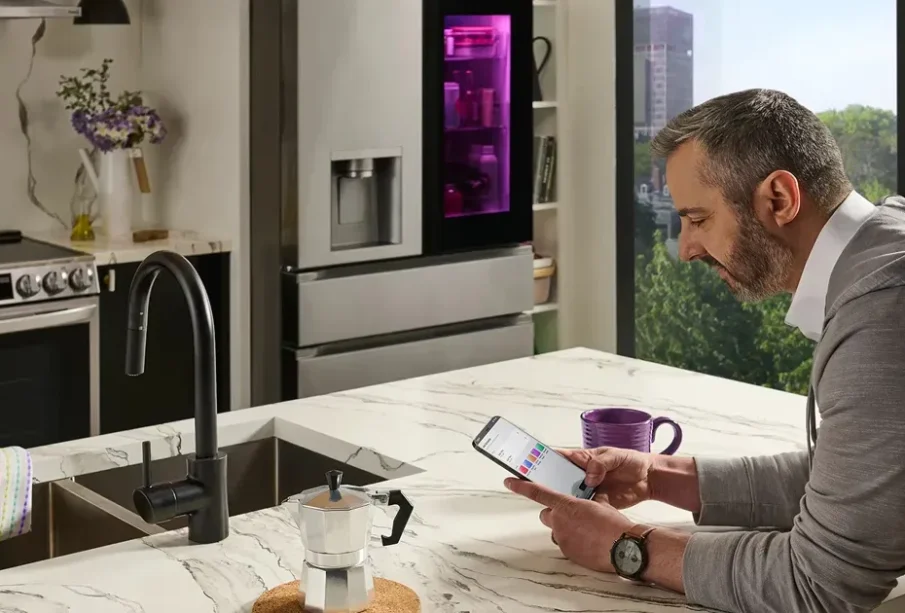
Electricity costs continue to rise in many households, making energy-efficient living both a financial priority and an environmental responsibility. Fortunately, modern smart appliances are designed to reduce unnecessary power usage automatically, helping homeowners lower bills without sacrificing comfort or convenience.
These intelligent devices adjust performance based on usage patterns, operate only when needed, and provide real-time energy insights that support better decision-making.
What Makes an Appliance “Smart” and Energy Efficient?
Smart appliances connect through sensors, automation systems, or mobile apps to optimize how electricity is used throughout the day.
They typically offer:
- Automatic scheduling
- Energy monitoring features
- Remote control via smartphone
- Adaptive performance settings
- Standby power reduction technology
Together, these capabilities reduce wasted electricity almost immediately after installation.
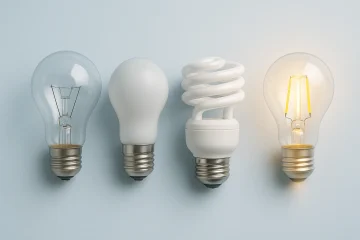
Smart LED Lighting Systems 💡
Lighting accounts for a noticeable portion of household energy consumption. Smart LED systems reduce this load efficiently.
How They Save Power
Smart lighting allows users to:
- Schedule automatic switching
- Adjust brightness levels
- Turn lights off remotely
- Activate motion detection features
Unlike traditional bulbs, LED smart lights consume up to 80% less electricity, making them one of the fastest upgrades for instant savings.
Smart Refrigerators That Optimize Cooling Automatically ❄️
Refrigerators operate continuously, which makes their efficiency extremely important.
Modern smart refrigerators help reduce power usage by:
- Adjusting cooling intensity during low-use hours
- Monitoring door-open frequency
- Sending alerts when maintenance is needed
- Maintaining consistent internal temperatures efficiently
These small adjustments significantly lower unnecessary compressor activity.
Smart Washing Machines That Reduce Electricity and Water Use 🧺
Traditional washing machines often run longer cycles than necessary. Smart versions detect load size and fabric type automatically.
Key energy-saving benefits include:
- Optimized wash cycle duration
- Temperature control adjustments
- Reduced standby electricity usage
- Automatic water-level detection
Over time, these features lower both electricity and water expenses.
Smart Air Conditioners With Adaptive Cooling 🌬️
Air conditioners are among the largest contributors to household electricity bills.
Smart AC systems reduce consumption through:
- Temperature learning based on user habits
- Remote scheduling through mobile apps
- Motion-based cooling adjustments
- Energy-saving night modes
Many models also provide usage analytics to help households track consumption patterns.
Smart Power Strips That Eliminate Phantom Energy Drain 🔌
Many devices continue consuming electricity even when switched off. This hidden usage is called phantom load.
Smart power strips automatically cut supply when devices are inactive.
They help reduce energy waste from:
- TVs
- Charging adapters
- Gaming consoles
- Desktop computers
This simple upgrade produces noticeable savings without changing daily routines.
Smart Water Heaters That Heat Only When Needed 🚿
Conventional water heaters often operate continuously, wasting electricity throughout the day.
Smart water heaters improve efficiency by:
- Scheduling heating cycles
- Learning usage habits
- Preventing overheating
- Reducing standby heat loss
These features make them especially useful in households with predictable daily routines.
Smart Dishwashers That Optimize Cleaning Cycles 🍽️
Modern dishwashers now include sensors that detect how dirty dishes are before selecting wash intensity.
Energy-saving advantages include:
- Reduced heating requirements
- Shorter wash cycles
- Controlled water consumption
- Off-peak operation scheduling
Running dishwashers during low-demand hours further improves efficiency.
Smart Thermostats That Control Whole-Home Energy Usage 🌡️
Smart thermostats manage heating and cooling automatically based on occupancy and weather conditions.
They provide:
- Automatic temperature adjustments
- Remote control access
- Usage reports
- Learning-based scheduling
This helps maintain comfort while preventing unnecessary energy consumption.
Smart Ceiling Fans With Motion and Temperature Sensors 🌀
Smart ceiling fans adjust speed based on room temperature and occupancy levels.
Energy-saving functions include:
- Automatic speed optimization
- Timer scheduling
- Remote app control
- Reduced idle operation
These fans consume far less electricity compared to air conditioning when used effectively.
Tips for Getting Maximum Savings From Smart Appliances
Installing smart devices is only the first step. Their full potential appears when used strategically.
To maximize benefits:
- Enable automation features
- Monitor usage through mobile apps
- Schedule appliances during off-peak hours
- Keep appliances properly maintained
- Combine multiple smart devices into one system
Small adjustments create stronger long-term savings.
Frequently Asked Questions (FAQs)
1. Do smart appliances require internet access to function efficiently?
Most smart features work best with internet connectivity, but many appliances still operate in energy-saving modes even without constant connection.
2. How quickly can smart appliances reduce electricity bills?
Some devices like smart LEDs and power strips begin reducing consumption immediately after installation, while larger appliances show savings over several billing cycles.
3. Are smart appliances difficult to install at home?
Many smart appliances are designed for simple setup and can be connected through mobile apps without technical expertise.
4. Can smart appliances help monitor overall household electricity usage?
Yes. Many smart devices provide real-time usage tracking, allowing households to identify which appliances consume the most energy.
5. Are smart appliances suitable for small apartments?
Absolutely. Compact smart devices like lighting systems, thermostats, and power strips work especially well in smaller living spaces.
6. Do smart appliances last longer than traditional appliances?
They often include maintenance alerts and optimized operation cycles, which can help extend their working lifespan.
7. Is it necessary to replace all appliances at once to see results?
No. Even upgrading one or two high-energy devices can create noticeable reductions in electricity consumption.