How Energy-Efficient Homes Are Shaping the Future of Modern Living
Energy-efficient homes are no longer a niche concept reserved for environmental enthusiasts. They are quickly becoming a defining feature of modern housing design, urban planning, and sustainable living practices. As electricity costs rise and climate awareness grows, homeowners and builders alike are shifting toward smarter, cleaner, and more resource-conscious living spaces.
Today’s energy-efficient homes are not just about saving electricity—they represent a holistic transformation in how people live, consume resources, and interact with their surroundings.
What Defines an Energy-Efficient Home?
An energy-efficient home is designed to minimize energy waste while maximizing comfort and performance. These homes integrate advanced construction methods, modern appliances, and intelligent systems that reduce energy consumption without compromising lifestyle quality.
Key characteristics include:
- High-performance insulation
- Energy-efficient lighting systems
- Smart temperature control
- Solar energy integration
- Airtight construction techniques
- Optimized natural ventilation
Together, these features help create homes that are both environmentally responsible and economically practical.
Why Energy Efficiency Is Becoming Essential in Modern Living ⚡
Rising utility expenses and climate challenges are pushing households toward smarter choices. Energy-efficient homes offer solutions that respond directly to these pressures.
Major reasons behind this shift include:
- Increasing electricity costs worldwide
- Growing environmental awareness
- Government incentives for green housing
- Technological improvements in building materials
- Demand for healthier indoor environments
These factors are transforming energy efficiency from an option into a necessity.
The Role of Smart Technology in Energy-Efficient Homes 📱
Technology is at the heart of the modern energy-efficient lifestyle. Smart home systems allow homeowners to monitor and control energy use more precisely than ever before.
Popular smart solutions include:
- Programmable thermostats
- Motion-sensor lighting
- Smart energy meters
- Automated blinds and ventilation
- App-controlled appliances
These tools help households reduce unnecessary consumption without changing daily habits.
Solar Power Is Redefining Residential Energy Independence ☀️
Solar energy is one of the most influential drivers behind energy-efficient housing trends.
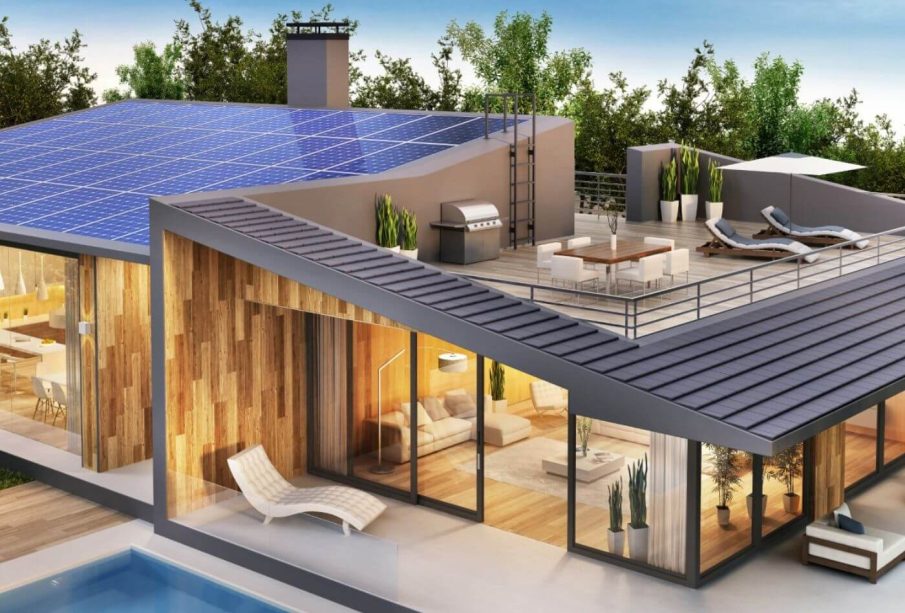
Modern homes increasingly rely on rooftop solar systems because they:
- Reduce dependence on traditional electricity sources
- Lower long-term utility expenses
- Support sustainable living goals
- Increase property value
- Provide backup power during outages
As solar technology becomes more affordable, its adoption continues to expand rapidly.
Improved Building Materials Are Transforming Home Efficiency 🧱
Construction innovation plays a major role in shaping energy-efficient housing.
Today’s materials help homes retain temperature better and reduce energy loss through walls, windows, and roofs.
Examples include:
- Double-glazed windows
- Reflective roofing materials
- Thermal insulation panels
- Energy-efficient doors
- Low-emission construction coatings
These improvements significantly reduce heating and cooling requirements.
Healthier Indoor Living Environments
Energy-efficient homes do more than reduce electricity usage—they improve quality of life.
Modern efficient homes support healthier living through:
- Better indoor air circulation
- Reduced humidity imbalance
- Lower exposure to outdoor pollutants
- Stable indoor temperatures year-round
This creates a more comfortable and productive living environment for families.
Lower Utility Costs Without Lifestyle Sacrifices 💰
One of the strongest advantages of energy-efficient homes is the ability to maintain comfort while reducing monthly expenses.
Homeowners benefit from:
- Reduced electricity bills
- Lower maintenance costs
- Extended appliance lifespan
- Less dependence on mechanical cooling systems
Over time, these savings make efficient homes financially rewarding investments.
Energy-Efficient Homes Increase Property Value 📈
Modern buyers increasingly prefer homes designed for sustainability.
Energy-efficient properties attract attention because they offer:
- Lower operating expenses
- Future-ready infrastructure
- Environmental responsibility
- Smart automation compatibility
- Higher resale potential
As demand grows, energy efficiency is becoming a major factor in real estate decision-making.
Supporting Sustainable Cities and Communities 🌍
Energy-efficient homes contribute beyond individual households—they help shape smarter cities.
Community-wide benefits include:
- Reduced pressure on power grids
- Lower carbon emissions
- Improved urban air quality
- Better infrastructure planning
- Stronger environmental resilience
These advantages make efficient housing essential for future urban development.
The Future of Housing Is Intelligent and Sustainable
Energy-efficient homes represent a shift toward smarter living systems that combine comfort, technology, and environmental responsibility. As building practices evolve and awareness increases, these homes will continue shaping how future generations design and experience residential spaces.
Instead of being a trend, energy-efficient housing is quickly becoming the foundation of modern living standards worldwide.
Frequently Asked Questions (FAQs)
1. Are energy-efficient homes more expensive to build initially?
They may involve slightly higher upfront costs, but long-term savings on electricity and maintenance often offset the initial investment.
2. Can older homes be converted into energy-efficient homes?
Yes. Improvements like insulation upgrades, efficient lighting, better windows, and smart thermostats can significantly enhance existing homes.
3. Do energy-efficient homes require special maintenance?
No. Most efficient systems are designed for durability and often require less maintenance than traditional setups.
4. Is solar power necessary for a home to be considered energy-efficient?
Not necessarily. While solar panels help, insulation quality, ventilation design, and efficient appliances also play major roles.
5. Do energy-efficient homes stay cooler in summer and warmer in winter?
Yes. Advanced insulation and ventilation systems help maintain stable indoor temperatures throughout the year.
6. Are energy-efficient homes suitable for all climate conditions?
Yes. Designs can be customized to match regional weather patterns, making them effective in both hot and cold climates.
7. Do energy-efficient homes reduce dependence on backup generators?
In many cases, yes. Lower energy demand combined with solar support can reduce reliance on backup power systems.