
How ESG Reporting Software Can Help Companies Meet Sustainability Goals

In today’s rapidly evolving business environment, companies are under growing pressure to operate responsibly while maintaining transparency and accountability. Sustainability is no longer viewed as a secondary initiative or a branding exercise. It has become a core business priority that influences investor confidence, regulatory compliance, operational efficiency, and long-term value creation. Environmental, Social, and Governance principles, commonly referred to as ESG, provide the framework organizations use to measure and communicate their impact on people, the planet, and corporate integrity.
As expectations from regulators, investors, customers, and partners continue to rise, companies must move beyond fragmented spreadsheets and manual processes. This is where ESG reporting software plays a critical role. By enabling structured data collection, performance tracking, and standardized reporting, ESG reporting platforms help organizations align their sustainability initiatives with measurable outcomes and credible disclosures.
Understanding ESG Reporting and Its Business Importance
ESG reporting refers to the systematic disclosure of information related to an organization’s environmental impact, social responsibility, and governance practices. These disclosures provide stakeholders with insight into how a company manages risks, creates value, and contributes to sustainable development.
Environmental factors typically include emissions management, energy efficiency, water usage, waste reduction, and climate-related risks. Social factors focus on workforce well-being, diversity and inclusion, community engagement, supply chain ethics, and customer trust. Governance covers leadership structure, board oversight, risk management, internal controls, ethics, and transparency.
For businesses, ESG reporting is no longer optional. It has become essential for maintaining credibility, accessing capital, meeting regulatory requirements, and responding to stakeholder scrutiny. Accurate ESG data allows companies to demonstrate progress, identify improvement areas, and embed sustainability into everyday decision-making.
Why Manual ESG Reporting Is No Longer Enough
Many organizations initially attempt to manage ESG reporting through manual data collection, disconnected tools, or department-specific systems. While this approach may work at a small scale, it quickly becomes inefficient and risky as reporting requirements expand.
Common challenges of manual ESG reporting include:
- Inconsistent data across departments and locations
- Limited visibility into real-time performance
- Higher risk of errors and omissions
- Difficulty aligning data with reporting frameworks
- Time-intensive reporting cycles that strain internal teams
These limitations make it difficult for companies to maintain accuracy, credibility, and compliance. ESG reporting software addresses these challenges by centralizing data, standardizing processes, and automating reporting workflows.
How ESG Reporting Software Supports Sustainability Goals
ESG reporting software is designed to help organizations take a structured, proactive approach to sustainability management. Rather than reacting to reporting deadlines, companies can use these platforms to continuously monitor performance, track progress against goals, and integrate ESG considerations into business strategy.
At its core, ESG reporting software enables organizations to:
- Collect ESG data from multiple sources in one system
- Monitor key performance indicators across environmental, social, and governance categories
- Analyze trends, risks, and opportunities
- Generate consistent, audit-ready reports for stakeholders
- Improve transparency and accountability across the organization
By transforming raw data into actionable insights, ESG reporting software helps companies move from compliance-driven reporting to value-driven sustainability management.
The Role of Data Accuracy and Integration in ESG Reporting
Reliable ESG reporting depends on accurate, consistent, and complete data. Without proper systems in place, organizations risk reporting gaps, misalignment between teams, and credibility issues with stakeholders.
However, the true power of these tools lies in their ability to handle the intricate details of data collection. Leading solutions, for instance, automate the capture of specific environmental metrics like emissions, energy, water, waste, and utility usage across multiple assets, sites, tenants, and partners. This comprehensive data integration is vital for ensuring accuracy and consistency, ultimately streamlining compliance and reporting efforts. Such advanced capabilities are exemplified by platforms like BraveGen, which provide a unified system for all ESG data.
This level of automation reduces human error, improves data reliability, and allows sustainability teams to focus on strategy rather than manual reporting tasks.
Improving Risk Management Through ESG Insights
One of the most valuable benefits of ESG reporting software is its contribution to risk management. ESG-related risks can affect regulatory compliance, financial performance, supply chain stability, brand reputation, and operational resilience.
By analyzing ESG data over time, companies can identify patterns and emerging risks before they escalate. For example, rising energy consumption, gaps in workforce diversity, or governance weaknesses can signal areas requiring corrective action.
With centralized dashboards and analytics, decision-makers gain early visibility into potential issues. This enables proactive mitigation strategies, better internal controls, and stronger governance practices. Over time, ESG reporting software supports more informed, resilient business decisions.
Supporting Transparency for Investors and Stakeholders
Transparency is a defining expectation of modern business. Investors, lenders, customers, and partners increasingly rely on ESG disclosures to assess long-term value and risk exposure. ESG reporting software helps organizations present clear, consistent, and credible information to these audiences.
Standardized reporting capabilities ensure that data is presented in a structured format aligned with recognized frameworks and stakeholder expectations. This consistency builds trust and reduces the likelihood of misinterpretation or greenwashing concerns.
By providing reliable ESG insights, companies can strengthen investor relations, improve stakeholder engagement, and demonstrate a genuine commitment to responsible business practices.
Aligning ESG Reporting With Operational Strategy
Sustainability goals are most effective when they are integrated into everyday operations. ESG reporting software supports this alignment by connecting data collection with performance management and strategic planning.
Organizations can set targets, track progress, and evaluate outcomes across business units, locations, and functions. This visibility encourages accountability at all levels and helps leadership teams make data-driven decisions that balance growth with responsibility.
Some platforms also support scenario analysis and benchmarking, enabling companies to evaluate how changes in operations or policies may affect ESG performance. This forward-looking capability is essential for long-term sustainability planning.
Enhancing Collaboration Across Teams
ESG initiatives often involve multiple departments, including operations, finance, human resources, compliance, and sustainability teams. Without a centralized system, collaboration can become fragmented and inefficient.
ESG reporting software provides a shared platform where teams can access consistent data, collaborate on reporting tasks, and align priorities. Clear workflows and permissions help ensure accountability while reducing duplication of effort.
This cross-functional collaboration strengthens internal alignment and ensures that ESG goals are supported across the organization rather than siloed within a single department.
Best Practices for Implementing ESG Reporting Software
To maximize the value of ESG reporting software, organizations should approach implementation strategically. Best practices include:
- Defining clear ESG objectives aligned with business strategy
- Identifying relevant metrics and data sources
- Ensuring leadership support and cross-departmental involvement
- Prioritizing data quality and governance
- Using insights to drive continuous improvement, not just reporting
By treating ESG reporting as an ongoing process rather than a one-time exercise, companies can achieve more meaningful and measurable sustainability outcomes.
The Long-Term Value of ESG Reporting Technology
ESG reporting software is more than a compliance tool. It is a strategic asset that enables organizations to adapt, innovate, and lead responsibly in a complex global environment.
As sustainability expectations continue to evolve, companies with strong ESG data capabilities will be better positioned to respond to change, manage risk, and create long-term value. By investing in robust ESG reporting systems, organizations demonstrate accountability, resilience, and a commitment to responsible growth.
For businesses seeking to strengthen their sustainability journey, ESG reporting software provides the structure, insights, and transparency needed to turn ambition into measurable impact.
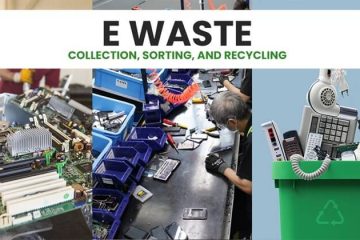
Why Professional E-Waste Collection Beats DIY Disposal Every Time
December 31, 2025

Comments are closed.
-

Best Energy-Efficient Lighting Ideas for Modern Homes
November 12, 2025
Latest Posts
-

-

Solar Panel Installation Guide for Parker, CO Homeowners
August 29, 2026 -

Do Homebuyers Really Care About Air Conditioning?
August 27, 2026 -

-

Recent Posts
- How to Choose the Right Linear Lighting Profile for Different Interior Projects September 2, 2026
- Solar Panel Installation Guide for Parker, CO Homeowners August 29, 2026
- Do Homebuyers Really Care About Air Conditioning? August 27, 2026
- How Does Roof Installation Improve Your Home’s Protection From Rain and Wind? August 26, 2026
- Crawl Space Encapsulation Explained From Moisture Control to Long Term Protection August 18, 2026
- How Enterprises Can Turn Utility Expenses Into Strategic Cost Savings August 12, 2026
- Hidden Water Damage: Why Early Assessment Is Critical After Flooding & Storm Events July 23, 2026
- Protecting Farm Equipment From the Elements: Why Every Small Farm Needs a Storage Building July 21, 2026
Categories
- Electricity (10)
- Energy Saving (25)
- Environment (12)
- Green Energy (11)
- Home (53)
- Lightings (11)
- News (7)
- Solar (24)