Top Benefits of Switching to Solar Power in 2026
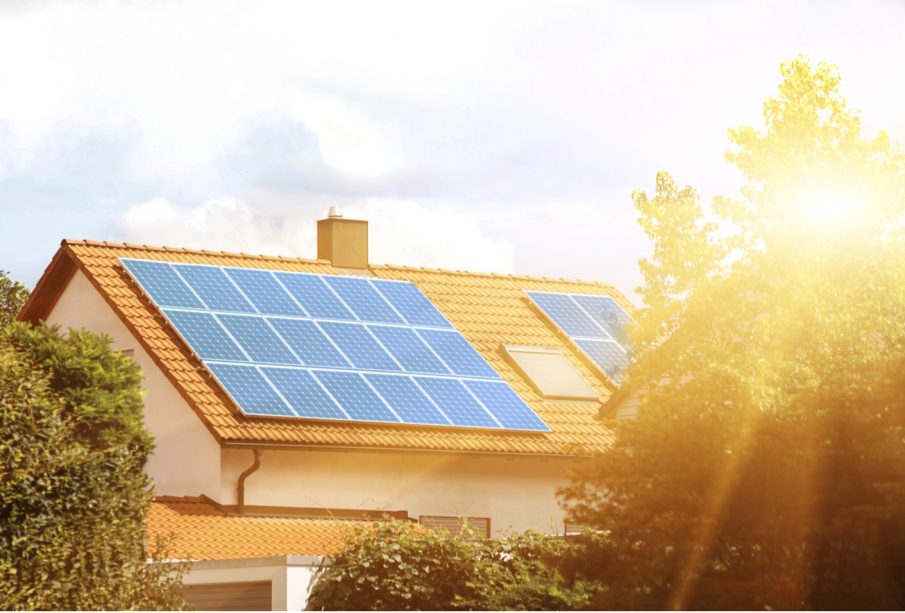
Solar power is no longer a future-ready idea—it has become a practical energy solution for homeowners, businesses, and communities in 2026. With rising electricity costs, improving technology, and growing awareness about sustainability, switching to solar energy is now one of the smartest long-term investments in modern living.
Here are the most important benefits that make solar power an increasingly attractive choice this year.
Significant Reduction in Electricity Bills 💰
One of the strongest reasons people switch to solar energy is the ability to lower monthly electricity expenses.
Solar systems help homeowners:
- Generate their own electricity
- Reduce dependence on grid power
- Protect against rising energy tariffs
- Stabilize long-term household energy costs
Over time, these savings can offset installation expenses and continue providing financial benefits for decades.
Greater Energy Independence
Producing electricity at home gives households more control over their energy supply.
Key advantages include:
- Less reliance on utility providers
- Improved protection during power shortages
- More predictable electricity availability
- Better resilience during peak demand periods
With optional battery storage, homes can maintain power even during outages.
Cleaner and More Sustainable Energy 🌱
Solar power produces electricity without burning fossil fuels, making it one of the cleanest available energy sources.
Environmental benefits include:
- Reduced greenhouse gas emissions
- Lower air pollution levels
- Less dependence on coal-based electricity
- Support for global climate goals
Switching to solar contributes directly to environmental protection.
Improved Solar Technology in 2026
Modern solar systems are more efficient and reliable than earlier versions.
Recent improvements include:
- Higher panel efficiency rates
- Better inverter performance
- Stronger weather resistance
- Longer product warranties
- Smarter monitoring tools
These upgrades make solar installations more practical than ever before.
Government Support and Incentive Programs
Many regions continue offering policies that support residential solar adoption.
Common support measures include:
- Installation subsidies
- Net metering benefits
- Tax incentives where applicable
- Simplified approval processes
- Financing assistance options
These programs help reduce the upfront investment required.
Increased Property Value for Solar Homes 📈
Homes equipped with solar systems often attract stronger interest from buyers.
Reasons include:
- Lower electricity operating costs
- Modern infrastructure appeal
- Sustainable lifestyle advantages
- Long-term energy savings potential
Solar-ready homes are increasingly considered future-proof properties.
Low Maintenance Requirements
Solar systems require minimal maintenance compared to most electrical equipment.
Typical maintenance needs include:
- Periodic cleaning of panels
- Occasional inspection of wiring
- Monitoring inverter performance
Most systems operate efficiently for 20–25 years with basic upkeep.
Protection Against Rising Energy Prices
Electricity costs tend to increase over time. Solar power helps homeowners manage this uncertainty more effectively.
Benefits include:
- Stable long-term energy planning
- Reduced exposure to tariff fluctuations
- Predictable electricity expenses
- Better household budget control
Generating electricity independently improves financial stability.
Flexible Installation Options for Different Homes
Solar systems can be adapted for various residential structures.
Installation possibilities include:
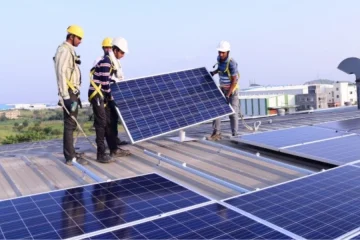
- Rooftop solar systems
- Ground-mounted systems
- Hybrid solar solutions with batteries
- Partial-load solar setups for smaller homes
This flexibility makes solar accessible to a wider range of homeowners.
Supports Smart and Sustainable Living Trends
Modern homes are increasingly designed around energy efficiency and sustainability.
Solar power supports:
- Smart home integration
- Electric vehicle charging readiness
- Efficient appliance usage
- Environmentally responsible lifestyles
It plays a key role in shaping future-ready households.
A Long-Term Investment in Energy Security
Switching to solar power in 2026 is not only about saving money—it is about building a reliable and sustainable energy future. As technology improves and adoption increases, solar systems continue to become one of the most practical upgrades for modern homeowners seeking independence, stability, and environmental responsibility.
Frequently Asked Questions (FAQs)
1. Is 2026 a good time to install solar panels compared to previous years?
Yes. Improvements in panel efficiency and installation support programs make solar systems more accessible and reliable than before.
2. Can solar panels generate electricity during winter months?
Yes. Solar panels continue producing electricity whenever sunlight is available, even during colder seasons.
3. Do solar panels work in areas with partial sunlight exposure?
Yes. Performance may be slightly reduced, but modern panels can still generate useful electricity in such conditions.
4. Can solar systems support electric vehicle charging at home?
Yes. Many homeowners use rooftop solar systems to partially or fully support EV charging needs.
5. Are solar installations suitable for newly constructed homes?
Yes. New homes can integrate solar systems more easily during the design stage.
6. Can solar panels operate during grid outages?
Grid-connected systems typically shut down for safety unless paired with battery backup or hybrid configurations.
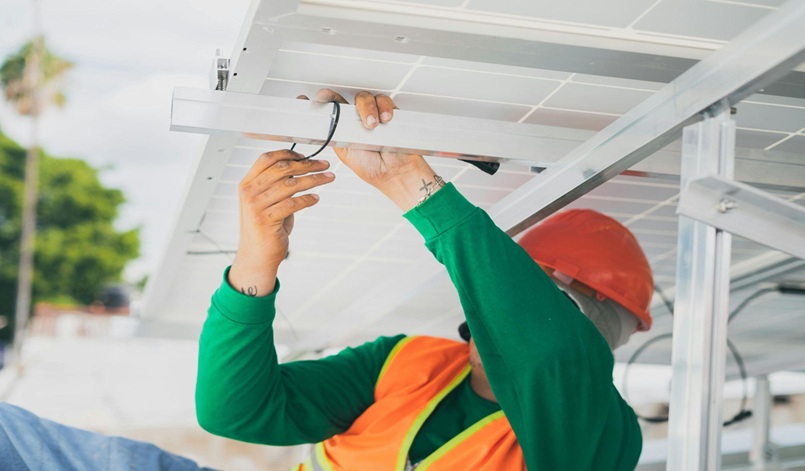
7. How long does it usually take to install a residential solar system?
Most residential solar installations are completed within one to three days depending on system size.