Why Energy Conservation Is the First Step Toward a Greener Planet
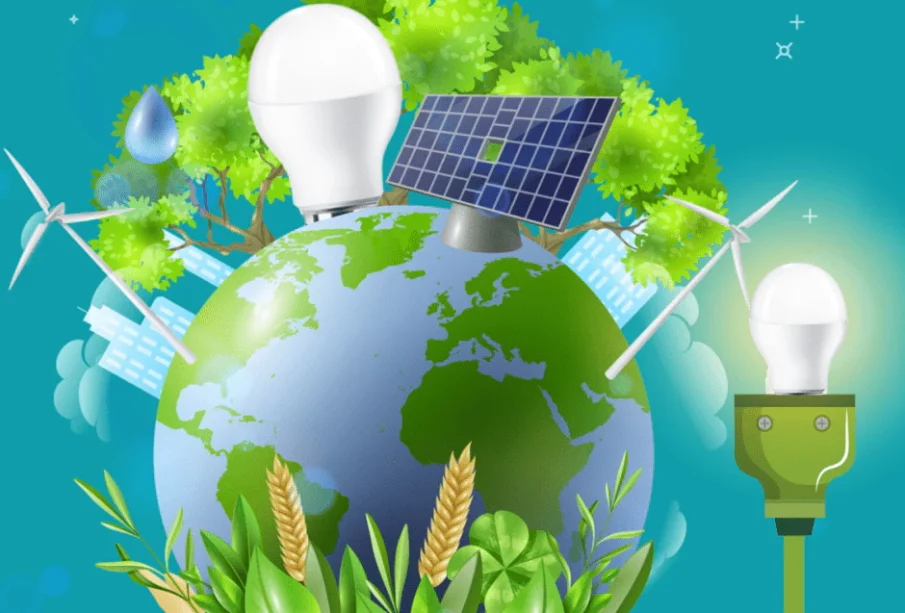
Energy conservation is one of the most practical and powerful actions individuals and communities can take to protect the environment. While large-scale solutions like renewable energy infrastructure and climate policies play important roles, meaningful environmental progress often begins with how efficiently energy is used in everyday life.
Reducing unnecessary energy consumption lowers pollution, preserves natural resources, and supports a more sustainable future. It is not just a technical solution—it is a lifestyle shift that influences the health of the planet.
Understanding Energy Conservation in Simple Terms
Energy conservation means using less energy without reducing comfort, productivity, or quality of life. It focuses on eliminating waste rather than limiting progress.
Examples include:
- Turning off unused lights and appliances
- Choosing energy-efficient devices
- Improving insulation in homes
- Using natural ventilation whenever possible
- Maintaining electrical equipment regularly
These small decisions collectively create a large environmental impact.
How Energy Conservation Reduces Carbon Emissions 🌱
Most electricity worldwide is still generated using fossil fuels such as coal, oil, and natural gas. When energy demand drops, fewer fossil fuels are burned.
This leads to:
- Lower greenhouse gas emissions
- Reduced air pollution
- Slower global temperature rise
- Cleaner urban environments
Even modest reductions in household electricity usage can contribute to measurable environmental improvements over time.
Conserving Energy Protects Natural Resources
Energy production requires significant natural resources. Conserving electricity reduces pressure on ecosystems and helps preserve valuable reserves for future generations.
Energy conservation supports:
- Reduced coal extraction
- Lower oil consumption
- Less water use in power generation
- Protection of forests and wildlife habitats
Responsible energy use ensures that natural systems remain balanced and sustainable.
A Simple Way to Reduce Environmental Pollution
Power plants release pollutants that affect both ecosystems and human health. Using less electricity directly reduces these emissions.
Environmental benefits include:
- Improved air quality
- Reduced acid rain formation
- Lower water contamination risks
- Healthier agricultural conditions
Cleaner environments lead to stronger communities and improved public well-being.
Energy Conservation Strengthens Energy Security 🔋
Reducing energy demand helps countries depend less on imported fuels. This strengthens national energy stability and supports economic resilience.
Key advantages include:
- Reduced fuel import costs
- More reliable electricity supply
- Lower risk of energy shortages
- Stronger infrastructure planning
Efficient energy use benefits both households and national economies.
Encouraging Responsible Consumer Behavior
Energy conservation builds awareness about how everyday choices influence environmental outcomes. When people become conscious of their energy habits, they naturally begin adopting sustainable practices.
Examples of responsible behavior include:
- Switching to efficient lighting
- Monitoring electricity usage patterns
- Selecting eco-friendly appliances
- Supporting sustainable housing solutions
These habits promote long-term environmental responsibility.
Supporting the Transition to Renewable Energy ☀️
Renewable energy systems become more effective when overall energy demand decreases. Conservation helps bridge the gap between traditional energy systems and cleaner alternatives.
Lower demand allows:
- Faster renewable adoption
- Better grid performance
- Reduced infrastructure stress
- Improved long-term sustainability planning
Energy conservation and renewable energy work best together—not separately.
Saving Money While Protecting the Planet 💰
One of the most immediate benefits of energy conservation is financial savings. Lower electricity consumption reduces monthly expenses without requiring major lifestyle adjustments.
Households often experience:
- Reduced utility bills
- Longer appliance lifespan
- Lower maintenance costs
- Improved efficiency in daily operations
Environmental responsibility and financial benefits often go hand in hand.
Building a Culture of Sustainability for Future Generations
Children and young adults learn sustainability through observation. Practicing energy conservation at home helps build lifelong environmental awareness.
Simple habits such as switching off unused lights or choosing efficient appliances help create a culture where conservation becomes normal rather than optional.
This cultural shift is essential for long-term environmental progress.
Why Energy Conservation Is the Foundation of a Greener Planet
Before societies can fully transition to renewable technologies or large-scale climate solutions, reducing energy waste must come first. Conservation lowers demand, protects ecosystems, supports cleaner air, and strengthens sustainability efforts across sectors.
In many ways, energy conservation is the most accessible environmental action available to everyone today.
Frequently Asked Questions (FAQs)
1. Is energy conservation different from energy efficiency?
Yes. Energy conservation focuses on reducing usage, while energy efficiency involves using improved technologies that consume less energy for the same tasks.
2. Can businesses benefit from energy conservation as much as households?
Absolutely. Businesses often achieve significant cost savings and improved operational performance through reduced energy consumption.
3. Does conserving electricity help reduce water usage?
Yes. Many power plants require large amounts of water for cooling, so lower electricity demand indirectly reduces water consumption.
4. Is energy conservation effective in both urban and rural areas?
Yes. Efficient lighting, improved appliance use, and smart consumption habits benefit households in all regions.
5. Can energy conservation delay the need for building new power plants?
Yes. Lower demand reduces strain on existing infrastructure and can postpone the need for new generation facilities.
6. How does energy conservation support climate action goals globally?
Reducing energy consumption helps countries lower emissions and meet environmental commitments more effectively.
7. Does conserving energy require expensive upgrades at home?
Not always. Many effective conservation practices involve simple behavioral changes rather than costly improvements.