Is Solar Energy Worth It for Homeowners? A Practical Guide
Solar energy has moved from being a niche technology to a practical solution for everyday households. As electricity costs rise and energy reliability becomes more important, many homeowners are asking a simple question: Is installing solar panels actually worth the investment?
The answer depends on factors like location, energy usage, installation costs, and long-term goals. This guide explains the real benefits, limitations, and considerations homeowners should evaluate before switching to solar power.
How Solar Energy Works for Homes
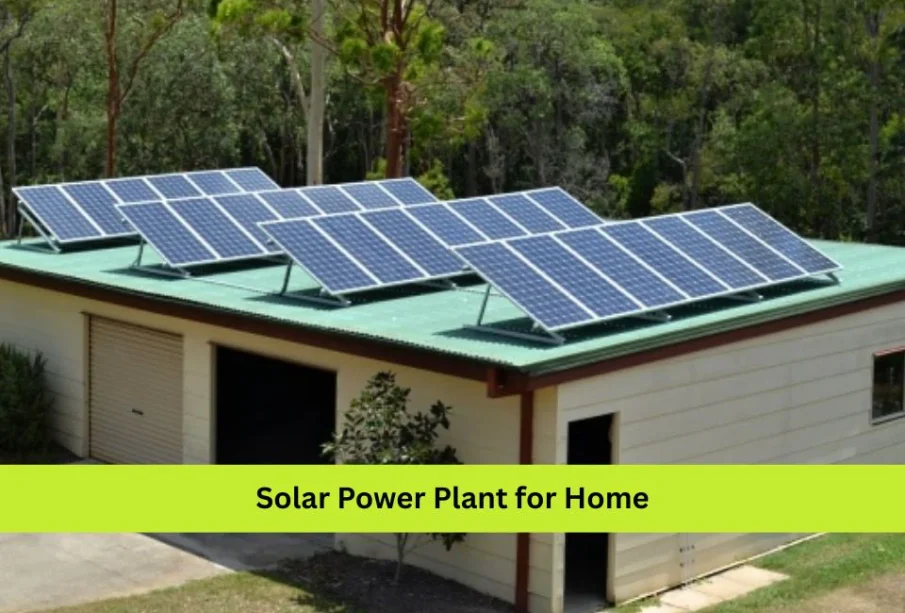
Residential solar systems convert sunlight into electricity using photovoltaic (PV) panels installed on rooftops or open spaces.
A typical home solar setup includes:
- Solar panels that capture sunlight
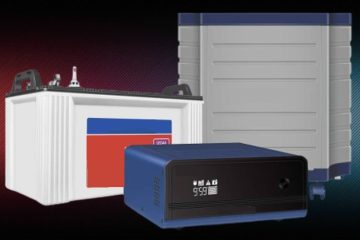
- An inverter that converts energy into usable electricity
- Mounting structures for installation
- Wiring and safety components
- Optional battery storage systems
Once installed, these systems can power household appliances directly during daylight hours.
Key Benefits of Installing Solar Panels at Home ⚡
Solar energy offers both environmental and financial advantages for homeowners.
Major benefits include:
- Reduced monthly electricity bills
- Protection from rising energy prices
- Lower dependence on grid electricity
- Cleaner and renewable energy usage
- Increased property value in many markets
Over time, these advantages often offset the initial installation cost.
Understanding the Initial Investment
Solar installation requires upfront spending, which varies depending on system size and location.
Typical cost factors include:
- Number of solar panels required
- Roof size and orientation
- Installation complexity
- Inverter type
- Optional battery backup systems
Although the starting investment may seem high, long-term savings often make solar systems financially practical.
How Long Does It Take to Recover Solar Installation Costs?
The payback period depends on electricity usage and local sunlight conditions.
Homeowners usually recover installation costs through:
- Monthly electricity savings
- Government incentives or subsidies (where available)
- Net metering benefits (in some regions)
Many residential systems recover costs within 5 to 8 years, while continuing to generate electricity for 20 years or more.
Solar Energy Reduces Dependence on the Electricity Grid 🔋
Solar systems allow homeowners to generate their own electricity instead of relying completely on utility providers.
Advantages include:
- Improved energy independence
- Protection during power shortages
- Greater control over energy consumption
- Reduced exposure to tariff increases
Adding battery storage can further increase reliability.
Environmental Benefits of Solar Power
Solar energy is one of the cleanest available electricity sources.
Environmental advantages include:
- Lower greenhouse gas emissions
- Reduced air pollution
- Decreased fossil fuel usage
- Support for long-term climate stability
Switching even part of household energy usage to solar contributes positively to environmental protection.
Factors That Determine Whether Solar Is Right for Your Home
Solar systems perform best under certain conditions.
Important considerations include:
- Availability of direct sunlight on the roof
- Roof direction and tilt angle
- Local electricity tariff rates
- Space available for installation
- Household energy consumption patterns
Homes with strong sunlight exposure typically see faster returns.
Battery Storage: Is It Necessary?
Battery storage is optional but useful in some situations.
It becomes valuable when:
- Power outages are frequent
- Electricity supply is unstable
- Nighttime backup is required
- Energy independence is a priority
However, many homeowners begin with grid-connected systems and add batteries later if needed.
Maintenance Requirements for Residential Solar Systems
Solar systems require very little maintenance compared to most electrical equipment.
Basic upkeep includes:
- Cleaning panels periodically to remove dust
- Checking wiring connections occasionally
- Monitoring inverter performance
Most systems continue operating efficiently with minimal attention.
Does Solar Energy Increase Property Value?
Homes with solar installations are often more attractive to buyers.
Reasons include:
- Lower long-term electricity costs
- Modern infrastructure appeal
- Sustainable living advantages
- Reduced dependence on external power supply
In many regions, energy-efficient homes command stronger resale interest.
When Solar Energy May Not Be the Best Option
Although solar works well for many households, it may not be ideal in every situation.
Challenges can include:
- Limited rooftop space
- Heavy shading from nearby structures or trees
- Low electricity usage levels
- Short-term home ownership plans
Evaluating these factors helps determine whether installation makes financial sense.
A Practical Decision for Long-Term Energy Savings
Solar energy is not just an environmental upgrade—it is a strategic investment in long-term energy stability and cost control. For homeowners planning to stay in their homes for several years and seeking predictable electricity expenses, solar systems often provide meaningful value.
With improving technology and growing accessibility, residential solar power continues to become a practical choice for modern households.
Frequently Asked Questions (FAQs)
1. Can solar panels work during cloudy weather?
Yes. Solar panels still generate electricity on cloudy days, although production levels are lower than on sunny days.
2. How long do residential solar panels typically last?
Most solar panels operate efficiently for 20 to 25 years or longer with proper maintenance.
3. Is rooftop solar installation safe for house structures?
Yes. Professional installations are designed to protect roof integrity and follow safety standards.
4. Can solar panels power an entire home?
Yes. System size can be customized to meet partial or full household electricity needs.
5. Do solar systems require government approvals before installation?
In many areas, approvals or registrations are required for grid-connected systems, especially when net metering is involved.
6. Can solar panels be installed on apartments?
Individual rooftop installations are less common in apartments, but shared solar systems are possible in some residential complexes.
7. What happens if a solar inverter stops working?
Inverters can be repaired or replaced without affecting the entire solar panel system. Most manufacturers also provide warranties.