How Sustainable Living Starts With Smarter Energy Choices
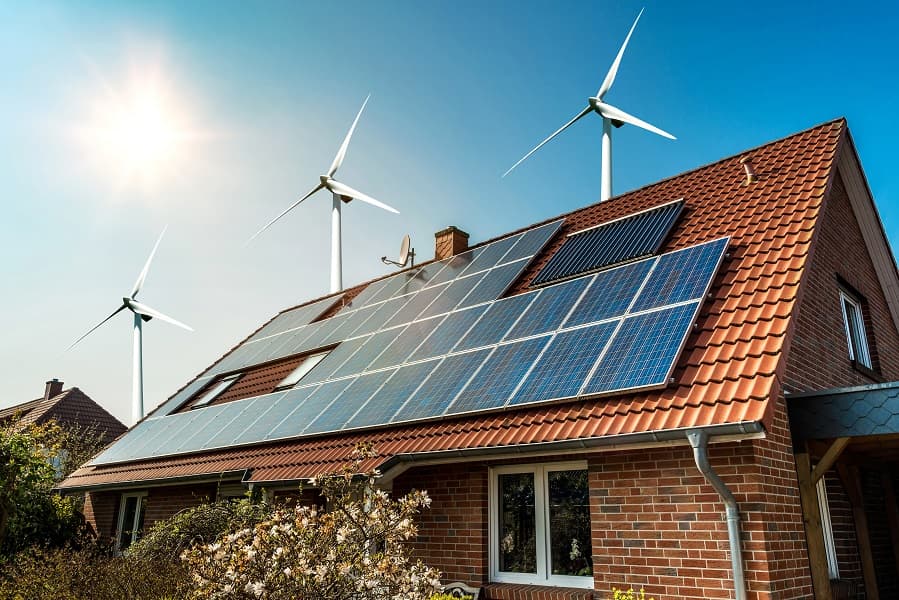
Sustainable living begins with everyday decisions that reduce environmental impact while maintaining comfort and practicality. Among these decisions, how we use energy at home and in daily routines plays one of the most important roles. Smarter energy choices not only lower electricity consumption but also support cleaner air, resource conservation, and long-term environmental stability.
Choosing energy wisely is often the first step toward building a lifestyle that balances modern convenience with environmental responsibility.
Understanding the Connection Between Energy Use and Sustainability
Energy powers nearly every aspect of modern life—from lighting and appliances to transportation and communication systems. When energy is used inefficiently, it increases pressure on natural resources and contributes to environmental pollution.
Smarter energy choices help:
- Reduce electricity waste
- Lower carbon emissions
- Preserve natural ecosystems
- Improve long-term resource availability
- Support cleaner urban environments
These benefits make energy awareness a foundation of sustainable living.
Why Smarter Energy Choices Matter More Than Ever Today
Growing energy demand and environmental challenges are reshaping how households approach consumption. Choosing efficient energy practices helps individuals contribute meaningfully to environmental protection without major lifestyle changes.
Key reasons smarter energy decisions are essential:
- Rising electricity costs worldwide
- Increasing environmental awareness
- Expansion of energy-efficient technologies
- Greater accessibility of renewable solutions
- Government incentives supporting efficient homes
Together, these factors are accelerating the transition toward sustainable lifestyles.
Choosing Energy-Efficient Appliances at Home 🔌
Appliances account for a large share of household electricity use. Selecting efficient models helps reduce consumption immediately.
Look for appliances that offer:
- High energy efficiency ratings
- Inverter-based operation
- Smart temperature regulation
- Automatic power-saving modes
Replacing older equipment gradually can significantly improve household efficiency.
Using Natural Resources More Effectively ☀️
Sustainable living encourages better use of resources that are freely available in the environment.
Practical examples include:
- Maximizing daylight instead of artificial lighting
- Encouraging natural airflow through windows
- Using reflective interior colors to enhance brightness
- Designing spaces that stay cooler naturally
These adjustments reduce dependence on mechanical systems.
Managing Everyday Electricity Use More Responsibly
Daily habits influence long-term energy consumption patterns more than most people realize.
Simple responsible practices include:
- Turning off unused lights
- Disconnecting idle electronic devices
- Using ceiling fans before air conditioners
- Running appliances with full loads
These actions require little effort but produce lasting results.
Integrating Renewable Energy Into Daily Life 🌱
Renewable energy sources are becoming increasingly accessible for residential use. Even partial adoption supports sustainable living goals.
Common household renewable solutions include:
- Rooftop solar panels
- Solar-powered outdoor lighting
- Solar water heating systems
These options reduce dependence on traditional electricity sources while supporting environmental protection.
Smart Home Technology Supports Energy Awareness 📱
Technology helps households understand and control energy consumption more effectively.
Examples of smart solutions include:
- Programmable thermostats
- Motion-sensitive lighting systems
- Smart plugs and switches
- Energy monitoring applications
Automation ensures energy is used only when necessary.
Reducing Standby Power Consumption
Many devices continue drawing electricity even when switched off but still connected to power outlets.
Reducing standby consumption can be achieved by:
- Switching off power strips overnight
- Unplugging chargers after use
- Turning off entertainment systems completely instead of leaving them in standby mode
These small adjustments quietly reduce electricity waste over time.
Supporting Long-Term Environmental Responsibility
Smarter energy choices influence not only individual households but also entire communities. When more people adopt efficient habits, demand for cleaner technologies increases and environmental pressure decreases.
Collective improvements lead to:
- Reduced strain on power infrastructure
- Lower pollution levels
- Increased renewable energy adoption
- Stronger sustainability awareness in society
This shared responsibility strengthens environmental progress.
Sustainable Living Begins With Everyday Energy Decisions
Sustainability does not always require large investments or lifestyle changes. Instead, it grows from consistent, thoughtful energy choices made at home and in daily routines. Over time, these decisions create meaningful environmental improvements and support healthier living conditions for future generations.
Smarter energy use is one of the simplest yet most powerful steps toward a sustainable future.
Frequently Asked Questions (FAQs)
1. What is meant by smarter energy choices in daily life?
Smarter energy choices involve using electricity efficiently, avoiding waste, and selecting appliances or systems that consume less power.
2. Can small households make a noticeable impact through energy-saving habits?
Yes. Even small households contribute to overall demand reduction when consistent energy-saving practices are followed.
3. Are renewable energy options suitable for apartments as well as independent homes?
Yes. Solutions like solar-powered lighting and shared rooftop systems can be adapted for apartment living.
4. How do smart energy habits improve long-term sustainability?
They reduce resource consumption, lower emissions, and support wider adoption of efficient technologies across communities.
5. Is sustainable living possible without installing solar panels?
Absolutely. Efficient appliances, responsible usage habits, and improved home design also support sustainability goals.
6. Do energy-efficient homes require advanced technical knowledge to manage?
No. Most modern energy-efficient systems are designed to be simple and user-friendly.
7. How can communities encourage smarter energy choices collectively?
Awareness campaigns, shared renewable systems, and local sustainability programs help communities adopt efficient practices together.