Best Energy-Efficient Lighting Ideas for Modern Homes
Lighting shapes how a home feels, functions, and consumes electricity. In modern households, energy-efficient lighting is no longer just about saving power—it is about creating comfortable spaces while reducing long-term costs and environmental impact. With the right lighting strategy, homeowners can significantly improve both efficiency and aesthetics.
Here are some of the most practical and effective energy-efficient lighting ideas designed for modern homes.
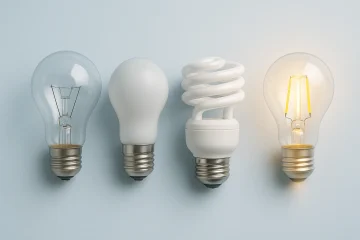
Switch Completely to LED Lighting
LED lighting remains the most reliable upgrade for reducing household electricity usage.
Benefits of LED bulbs include:
- Up to 80–90% lower electricity consumption
- Longer lifespan compared to traditional bulbs
- Minimal heat generation
- Reduced replacement frequency
- Availability in multiple brightness levels and color temperatures
Replacing frequently used bulbs first delivers the fastest results.
Use Layered Lighting Instead of Single Bright Fixtures
Layered lighting improves both efficiency and comfort by distributing light more intelligently across spaces.
A layered lighting setup typically includes:
- Ambient lighting for overall illumination
- Task lighting for focused activities
- Accent lighting for decorative highlights
This approach ensures lights are used only where necessary rather than over-lighting entire rooms.
Install Motion Sensor Lighting in Low-Traffic Areas
Motion sensors help eliminate unnecessary electricity usage in spaces that are not occupied continuously.
Ideal locations include:
- Hallways
- Staircases
- Bathrooms
- Parking areas
- Storage rooms
Lights turn on automatically when needed and switch off after inactivity.
Use Dimmable Lighting for Flexible Energy Control 🎛️
Dimmable lighting allows homeowners to adjust brightness based on activity and time of day.
Advantages include:
- Lower electricity consumption during reduced brightness
- Improved visual comfort
- Extended bulb lifespan
- Better control over lighting atmosphere
Even small reductions in brightness can create meaningful energy savings.
Maximize Natural Daylight Wherever Possible ☀️
Natural light is one of the most effective energy-saving resources available at home.
Ways to increase daylight usage:
- Keep windows unobstructed
- Use light-colored curtains
- Position mirrors to reflect sunlight
- Arrange workspaces near windows
Reducing daytime artificial lighting lowers electricity demand significantly.
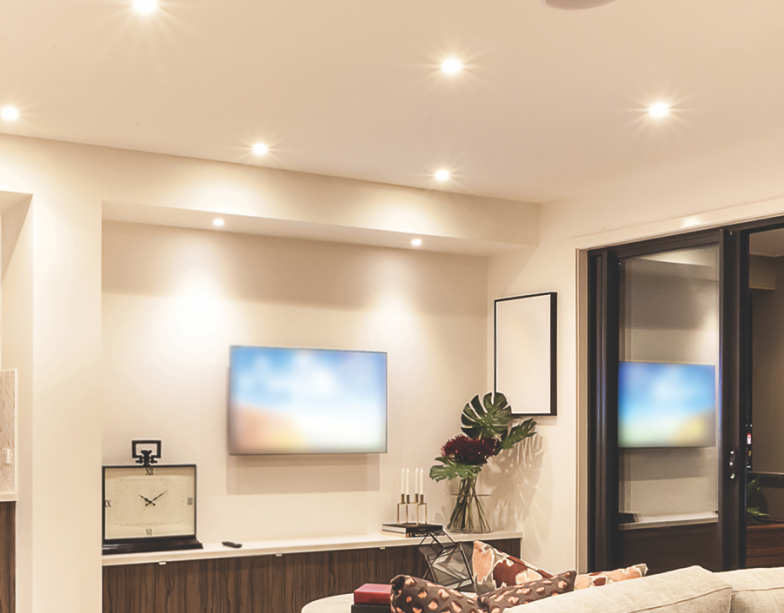
Choose Recessed Lighting for Efficient Illumination
Recessed lighting provides focused brightness without excessive energy use.
Key benefits include:
- Even light distribution
- Minimal glare
- Modern interior appearance
- Reduced fixture visibility
- Compatibility with LED technology
These lights are especially useful in kitchens and living rooms.
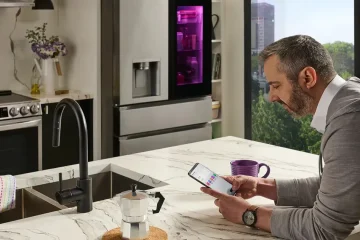
Install Smart Lighting Controls 📱
Smart lighting systems improve efficiency by automating how and when lights operate.
Common smart lighting features include:
- Remote control through mobile apps
- Voice-command integration
- Automatic scheduling
- Motion-based activation
Automation ensures lights are not left running unnecessarily.
Use Task Lighting Instead of Lighting Entire Rooms
Task lighting focuses brightness exactly where needed.
Examples include:
- Desk lamps for study areas
- Under-cabinet kitchen lighting
- Bedside reading lights
- Mirror lighting in bathrooms
This strategy reduces reliance on high-power overhead lighting.
Select Energy-Efficient Outdoor Lighting Solutions
Outdoor lighting can consume more electricity than expected when used improperly.
Efficient outdoor lighting options include:
- Solar-powered garden lights
- LED pathway lighting
- Motion-activated security lights
- Timed entrance lighting systems
These solutions maintain safety while reducing electricity usage.
Match Lighting Color Temperature to Room Purpose
Choosing the right lighting tone improves comfort and reduces the need for excessive brightness.
Suggested color temperatures:
- Warm white for bedrooms and living rooms
- Neutral white for kitchens
- Cool white for workspaces and study areas
Correct color selection improves visibility while supporting efficient lighting usage.
Upgrade to Reflective Interior Surfaces for Better Light Distribution
Room surfaces influence how efficiently light spreads indoors.
Helpful adjustments include:
- Using lighter wall colors
- Choosing reflective flooring finishes
- Installing glossy furniture surfaces strategically
Better reflection reduces the number of fixtures needed to illuminate a space effectively.
Energy-Efficient Lighting Creates Smarter and More Comfortable Homes
Modern lighting is no longer just functional—it is a key part of creating efficient living environments. With LED technology, smart automation, and thoughtful placement strategies, homeowners can improve comfort while lowering electricity consumption consistently over time.
Energy-efficient lighting upgrades remain one of the simplest improvements that deliver both immediate and long-term benefits.
Frequently Asked Questions (FAQs)
1. How many LED lights are typically needed for a standard living room?
The number depends on room size, but layered lighting with multiple low-power LED fixtures usually provides better results than a single high-power source.
2. Are recessed lights suitable for small rooms?
Yes. Recessed lighting works well in small rooms because it provides illumination without occupying visible space.
3. Can energy-efficient lighting improve home resale value?
Yes. Homes with modern lighting systems often appeal more to buyers looking for lower operating costs.
4. Do solar outdoor lights work during cloudy weather?
Yes. They still operate but may store less energy compared to bright sunny days.
5. Is professional installation necessary for smart lighting systems?
Many smart bulbs can be installed easily, though advanced automation setups may benefit from professional assistance.
6. Can lighting placement affect electricity consumption?
Yes. Proper fixture placement reduces the number of lights required to illuminate a space effectively.
7. Are warm lights less energy-efficient than cool lights?
No. Energy efficiency depends on bulb technology, not color temperature.