Hidden Water Damage: Why Early Assessment Is Critical After Flooding & Storm Events
Floodwaters often disappear long before the damage they cause. After heavy rainfall, flash flooding or stormwater ingress, many properties appear to recover quickly. Standing water recedes, surfaces dry out, and at first glance, the immediate impacts seem to have passed.
But a building that looks dry can still be holding a significant amount of moisture. Beneath the surface, water can remain trapped within building materials for weeks or even months after an event.
If that hidden moisture isn’t identified and managed early, it can contribute to mould growth, deterioration of building materials and reduced indoor environmental quality. In practice, we often see that the most significant impacts of water damage develop well after the visible signs have disappeared.
Understanding how moisture behaves within a building is essential for protecting both the integrity of the structure and the health of its occupants.
Why Hidden Moisture Should Never Be Overlooked
When water enters a building, it rarely stays on the surfaces you can see. Through capillary action and gravity, moisture migrates into porous construction materials where evaporation occurs much more slowly. In our investigations, we commonly find trapped moisture within:
- Wall cavities
- Plasterboard
- Timber framing
- Insulation
- Flooring systems
- Ceiling voids
- Skirting boards
These concealed environments typically have limited airflow and very little drying capacity. As a result, elevated moisture levels can persist long after floors, walls and ceilings appear dry to occupants. From a building science perspective, this residual moisture is one of the primary drivers of secondary damage following flooding or stormwater ingress.
Water Damage Extends Beyond Structural Concerns
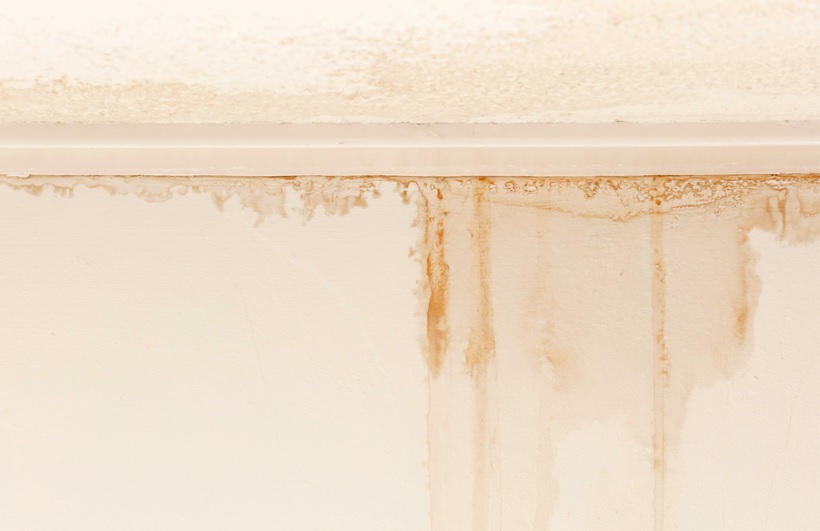
Water damage is often first noticed as staining, swelling or peeling paint. While these are useful warning signs, they usually represent only a small part of the overall problem.
Persistent moisture can contribute to:
- Deterioration of timber framing and other structural materials
- Delamination of plasterboard
- Corrosion of metal building components
- Degradation of insulation performance
- Reduced durability of flooring systems
- Mould colonisation within concealed spaces
Once moisture remains undetected in these areas, remediation requirements often become significantly more complex and invasive than they would have been if the issue had been identified shortly after the initial water intrusion.
As an example, we regularly see properties where only surface finishes were dried, but no moisture assessment was completed. Months later, mould growth and timber deterioration behind wall linings require far more extensive remediation than an early, targeted response would have needed.
Summer Storms Can Create Ideal Conditions for Mould Growth
Intense summer storms frequently deliver large volumes of rainfall over relatively short periods. Even when floodwater recedes quickly, water can continue migrating through building materials long after the storm has passed. Warm temperatures combined with elevated moisture levels create highly favourable conditions for microbial growth.
Mould can begin colonising damp building materials within 24 to 48 hours where sufficient moisture, oxygen and organic material are present. Because growth often begins behind wall linings, beneath flooring or within ceiling cavities, contamination may not become visible until it is already well established. This is one of the reasons we strongly recommend early moisture assessment following summer storm events, even where visible water appears to have dried.
Signs That Hidden Water Damage May Be Present
Water intrusion is not always immediately obvious. In many buildings, subtle changes provide the earliest indication that further investigation may be warranted. Common indicators include:
- Persistent musty odours
- Water staining on walls or ceilings
- Swollen skirting boards
- Peeling paint or bubbling finishes
- Damp carpets that fail to dry completely
- Warped flooring
- Condensation in unusual locations
- Visible mould growth
- Walls that feel noticeably cooler than surrounding areas
On their own, these observations do not confirm significant water damage. However, they do suggest that moisture may still be present within the building envelope and that a formal water damage assessment or moisture assessment is advisable. If you are noticing any of these signs after a flooding or stormwater ingress event, it is generally safer to assume further investigation is needed rather than waiting to see if they “settle down”.
Why A Water Damage Assessment Matters
One of the most common misconceptions following flooding is that a building has dried simply because visible surfaces no longer appear wet.
A professional water damage assessment focuses on identifying moisture that remains concealed within building materials. Rather than relying on visual inspection alone, we use measurement-based methods to understand how far water has travelled and which materials are affected. Depending on the circumstances, investigations may include:
- Moisture mapping across affected areas
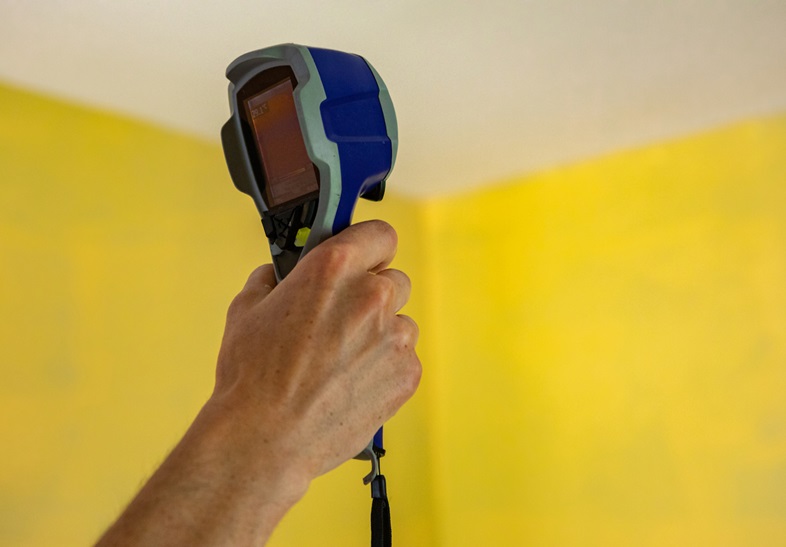
- Thermal imaging to identify temperature anomalies related to moisture
- Building material moisture measurements using appropriate meters and probes
- Visual inspection of concealed risk areas (such as cavities and subfloors)
- Indoor environmental quality assessments where mould or air quality issues are suspected
Used together, these techniques help establish the extent of water migration and identify areas requiring further investigation or remediation. Early assessment often reduces the likelihood of more extensive structural deterioration developing over time and allows remediation to be more targeted and cost-effective.
The Relationship Between Water Damage and Indoor Environmental Quality
Moisture does more than affect building materials. It also changes the indoor environment.
Elevated humidity and damp construction materials create favourable conditions for microbial growth, particularly mould. Once mould develops, spores and fragments can become airborne and contribute to reduced indoor environmental quality. Although individual responses vary considerably, prolonged exposure to elevated mould concentrations has been associated with:
- Respiratory irritation
- Allergic reactions
- Exacerbation of existing respiratory conditions in susceptible individuals
From an indoor environmental quality perspective, maintaining a dry building envelope is an important component of maintaining healthy indoor environments. In practical terms, that means addressing moisture sources promptly rather than treating mould growth as a purely cosmetic issue.
When Is Mould Assessment Appropriate?
Not every water intrusion event requires laboratory investigation. However, a more detailed mould assessment is worth considering where:
- Water damage has remained untreated for several days.
- Moisture has affected concealed building cavities.
- Persistent musty odours remain after drying.
- Visible mould growth is present.
- Occupants report ongoing indoor air quality concerns.
- Sensitive environments such as healthcare facilities, schools or workplaces have been affected.
The objective of a mould assessment is not simply to confirm the presence of mould. It is to determine the extent of contamination and to identify the factors allowing growth to occur.
That information then guides practical decisions about remediation scope, sequencing and verification.
Understanding Mould Air Quality Testing
Visible mould represents only one aspect of contamination. In some situations, mould growth may remain concealed while airborne spores continue to circulate throughout occupied areas.
Mould air quality testing provides information about airborne spore concentrations and assists in determining whether hidden contamination may be present. During this process, air samples collected from indoor environments are analysed within an accredited laboratory and compared with outdoor background conditions to establish whether indoor spore levels are elevated.
Importantly, mould air quality testing should never be interpreted in isolation. The results need to be considered alongside moisture investigations and a detailed building inspection to provide meaningful insight.
Used correctly, airborne mould testing is one part of a broader indoor environmental quality assessment rather than a standalone solution.
Why a Comprehensive Assessment Is Important
Effective investigation extends beyond identifying mould or measuring surface moisture. A comprehensive assessment brings together moisture data, building observations and occupant concerns to build a clear picture of what is happening inside the structure.
A thorough moisture assessment and water damage assessment should seek to answer several important questions:
- Where did the water enter the building?
- How far has moisture migrated?
- Which building materials have been affected?
- Has mould colonisation occurred?
- What remediation measures are appropriate?
- How can future recurrence be prevented?
Addressing these questions enables property owners, insurers and facility managers to make informed decisions regarding remediation priorities and long-term building performance.
From our perspective, waiting to see whether problems will “sort themselves out” after a flooding event is often one of the most expensive decisions a building owner can make.
Managing Water Damage Before It Escalates
Prompt investigation remains one of the most effective ways to minimise long-term damage following flooding or water ingress. In practice, early intervention may involve:
- Identifying and confirming the source of water intrusion
- Drying affected building materials using appropriate equipment and techniques
- Improving ventilation to assist drying where feasible
- Monitoring residual moisture over time
- Removing irreparably damaged materials that cannot be effectively restored
- Undertaking mould remediation where required, based on assessment findings
By addressing moisture before secondary damage develops, repair costs are generally reduced and disruption to building occupants can be better managed.
Protecting Buildings Through Early Investigation
Flooding and water ingress rarely affect only the visible surfaces of a building. Hidden moisture can persist long after a property appears dry, creating conditions that may compromise both structural materials and indoor environmental quality. A systematic assessment following significant water intrusion provides valuable information about the condition of the building and helps determine whether further investigation or remediation is required.
Understanding the extent of moisture migration at an early stage allows informed decisions to be made before relatively minor water damage develops into a more complex environmental or building performance issue.
How We Can Help
Scaada Environmental provides independent assessment, testing and technical advice for properties affected by flooding, stormwater ingress and suspected mould contamination. Our role is to identify the extent of moisture impact, assess indoor environmental quality risks and provide practical recommendations to guide remediation decisions.
Services may include moisture investigations, mould inspections, mould air quality testing, laboratory sampling and post-remediation verification. By providing evidence-based reporting, Scaada helps property owners, insurers, facility managers and employers understand the condition of affected buildings and determine appropriate next steps.