Protecting Farm Equipment From the Elements: Why Every Small Farm Needs a Storage Building
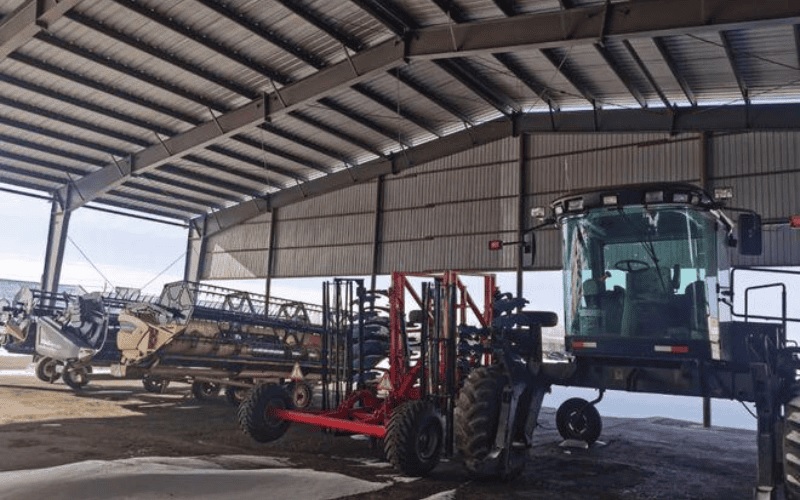
If you run a small farm or a few acres outside town, you already know the feeling. You walk out one morning and find your tractor seat damp, your hand tools spotted with rust, and a tarp that blew halfway across the pasture overnight. It is frustrating, and it is expensive. The fix is simpler than most people think. A well-built storage building, especially barn style sheds, gives your equipment a dry, sheltered home and adds years to the tools you depend on every day.
This is not about luxury. It is about protecting the money you have already spent. A tractor, a mower, a chainsaw, a feed cart, and a wall of hand tools add up fast. Leaving them out in the weather is like leaving cash on the hood of your truck and hoping it stays dry.
The Real Cost of Leaving Equipment Outside
Most small farm owners underestimate what sun, rain, and humidity do to equipment over a single season. The damage is slow, so you do not notice it until something stops working.
Sun is the quiet killer. UV rays break down plastic fuel lines, rubber grips, seat cushions, and tire sidewalls. A mower left in the sun all summer will have a cracked seat and brittle tires before the season is over. Rain and morning dew do their own damage. Metal rusts. Bolts seize. Electrical connections corrode. Engines that sit damp for weeks develop internal rust that shortens their life and makes them harder to start when you need them.
Then there is snow and ice. A tarp over a tractor looks like protection, but it traps moisture underneath. Condensation forms on cold metal under a tarp just as easily as it would if the tarp were not there. Tarps also tear, collect water, and blow off in storms. They are a short-term fix for a long-term problem.
When you add it up, the cost of replacing rusted tools, rebuilding small engines, and buying new tarps every year is often more than the cost of a solid storage building. And that building keeps its value. The tarp does not.
Why a Storage Building Beats a Tarp Every Time
A storage building does three things a tarp cannot. It keeps equipment dry, it keeps it accessible, and it keeps it secure.
Dry is the obvious one. A roof and walls block rain and snow. Good ventilation lets moisture escape instead of settling on your tools. Your equipment stays ready to use instead of needing a wipe-down and a prayer before it will start.
Accessible matters more than people realize. When your tools are under a tarp, you tend to avoid using them because getting to them is a hassle. You dig out the mower, fight the tarp, and then have to cover it all back up. A building with a real door means you walk in, grab what you need, and get to work. The easier your tools are to reach, the more you use them. The more you use them, the more value you get out of them.
Secure is the third piece. Small farm equipment is a target. A locked building keeps your investment out of sight and out of reach. A tarp invites curiosity and, eventually, theft.
What to Look for in a Small Farm Storage Building
Not every shed is built to handle farm use. If you are shopping for a storage building for equipment, there are a few features worth paying attention to.
Floor strength. You want a floor that can hold the weight of a riding mower, a loaded feed cart, and stacks of supplies without sagging. Look for buildings with solid floor joists and a floor built to handle regular use. Ask the builder what the floor is rated for and what materials are used.
Roof that sheds weather. A good roof is what keeps everything underneath it dry. Metal roofing and shingled roofs both work well when they are installed correctly. The key is that the roof is designed for your climate, including snow load if you live where winters are real.
Treated materials where it counts. Any wood that touches the ground or is exposed to moisture should be pressure-treated. This is what prevents dry rot and keeps the building solid for years instead of seasons. Ask which parts of the building are treated and which are not.
A door that works. Equipment storage means moving things in and out. A door that sticks, drags, or binds is a daily annoyance. Look for a building with a solid threshold and hardware that is built to last.
Warranty. A builder who stands behind their work will offer a warranty on craftsmanship and materials. Read it. A good warranty tells you the builder expects the building to hold up. No warranty tells you the opposite.
Sizing It Right for a Small Farm
One of the most common mistakes small farm owners make is buying a building that is too small. It looks big enough in the lot, and then you start loading it.
A good rule of thumb is to figure out what you want to store, lay it out on the ground with some walking room between items, and measure that footprint. Then add room for the things you will buy next year. Equipment tends to multiply on a small farm.
Think about height too. Wall height matters when you want to hang tools, store feed bags on a shelf, or stand a ladder upright. Lofted buildings are popular for a reason. They give you overhead storage for lighter items, which frees up floor space for the heavy gear.
If you are unsure, talk to the builder. A good builder will ask what you plan to store and help you land on a size that fits your equipment and your budget. Buying too small means you will outgrow it. Buying too big costs more than you need to spend. The right size is somewhere in the middle.
Where to Put It
Location is a practical decision. You want the building close enough to where you work that you will actually use it, but far enough from standing water or low spots that it stays dry.
Check your drainage. A building at the bottom of a slope will collect water. A building on a slight rise stays dry. If your site is more than a foot out of level, ask the builder about leveling options before delivery.
Think about access too. You want to be able to back a truck or trailer up to the door when you are loading feed, unloading a new mower, or pulling equipment out for the season. A building that is hard to reach becomes a building you stop using.
Finally, check on permits. In most areas, the customer is responsible for pulling any required permits. A quick call to your local office will tell you what is needed before the building arrives.
A Building That Pays for Itself
A storage building is one of those purchases that quietly earns its keep. You spend the money once, and then every year after that you are not replacing rusted tools, not rebuilding engines that sat out in the rain, and not buying a new tarp every spring.
It also changes how you work. When your equipment is dry, organized, and easy to reach, you spend less time fighting with your tools and more time getting things done. That is worth something on a small farm where your time is already spoken for.
If you have been making do with tarps and a leaky corner of the barn, it may be time to give your equipment the shelter it deserves. A solid storage building is not a luxury for small farm owners. It is a practical investment that protects the tools you rely on to keep your place running.